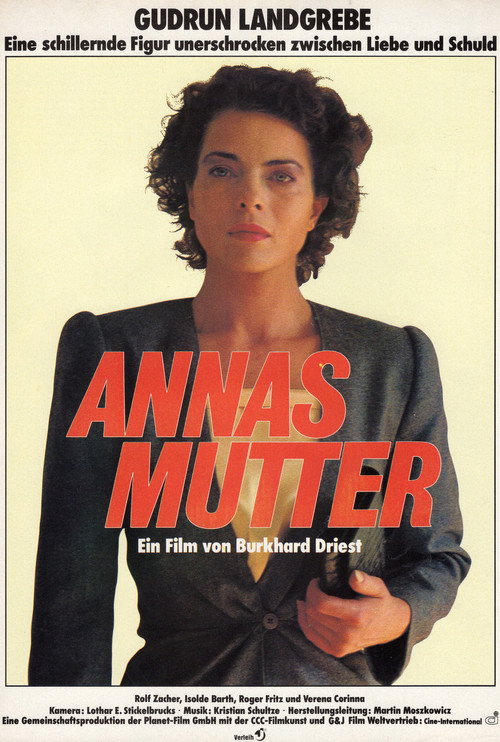
Annas Mutter 1984
In *Annas Mutter (1984)*, visionary director Burkhard Driest crafts a harrowing drama based on the astonishing true events of Marianne Bachmeier's 1981 courtroom act of vengeance.
Director: Burkhard Driest
Cast




Frequently Asked Questions
What is Annas Mutter (1984) about?
This gripping drama recounts the true story of Marianne Bachmeier, a mother who takes justice into her own hands during a courtroom trial. After years of enduring the loss of her daughter to a horrific crime, she confronts the murderer in a shocking act witnessed by the world. The film dissects the aftermath, where media scrutiny and public opinion collide with her personal agony.
Who directed Annas Mutter?
Burkhard Driest directed *Annas Mutter (1984)*. Known for his sharp storytelling and uncompromising style, Driest transforms this real-life tragedy into a compelling, morally complex drama.
Who stars in Annas Mutter?
The film stars Gudrun Landgrebe in the unforgettable lead role, supported by Rolf Zacher, Verena Corinna, Isolde Barth, and Roger Fritz, each delivering performances that heighten the film's raw intensity.
Is Annas Mutter (1984) worth watching?
While unrated on IMDb, *Annas Mutter (1984)* stands as a significant piece of German cinema due to its historical context and powerful performances. Its themes resonate with anyone interested in justice, media ethics, or the extremes of human emotion—though it's not for the faint-hearted.
How long is Annas Mutter?
The runtime of *Annas Mutter (1984)* is 93 minutes.
About Annas Mutter (1984) — How One Woman's Rage Shook the Court of Public Opinion
In *Annas Mutter (1984)*, visionary director Burkhard Driest crafts a harrowing drama based on the astonishing true events of Marianne Bachmeier's 1981 courtroom act of vengeance. Gudrun Landgrebe delivers a powerhouse performance as the grieving mother who, after years of torment following her daughter's brutal murder, enters a packed courtroom and calmly fires seven shots at the perpetrator before the world's stunned eyes. The media frenzy that follows oscillates between outrage and reluctant admiration, exposing the raw fractures between justice and retribution while forcing viewers to confront where compassion ends and punishment begins.
Set against the oppressive backdrop of post-war Germany, the film's stark realism lingers long after the credits roll. Driest's unflinching direction and Landgrebe's magnetic intensity transform Bachmeier's notorious act into a nuanced character study, exploring themes of grief, media exploitation, and the blurred lines between victim and vigilante. With its morally complex narrative and electrifying performances, *Annas Mutter (1984)* remains a pivotal exploration of trauma and justice that demands reflection—and refuses easy answers.