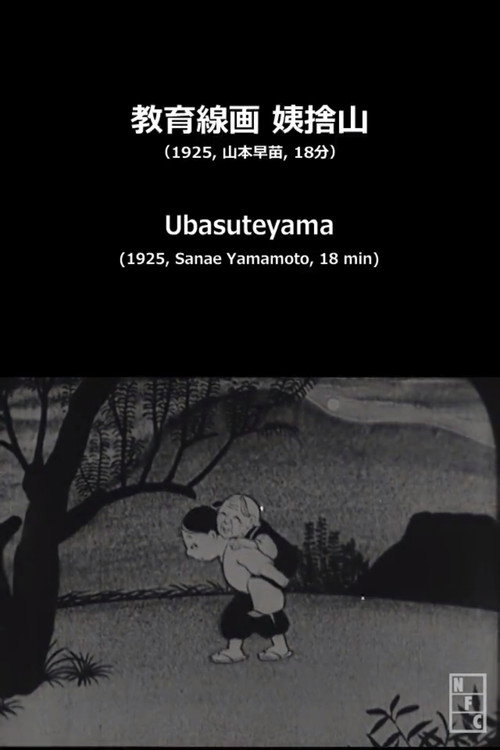
Ubasuteyama 1925
Ubasuteyama (1925), a silent-era Japanese animated short directed by Sanae Yamamoto, weaves a haunting tale rooted in folklore about duty, sacrifice, and the harsh realities of aging in a feudal society.
Director: Sanae Yamamoto
Frequently Asked Questions
What is Ubasuteyama (1925) about?
Ubasuteyama (1925) follows a farmer who risks everything to hide his elderly mother from a ruthless lord's cruel decree. His act of defiance becomes a testament to love and family loyalty in a society ruled by fear. The story unfolds with emotional depth, highlighting the struggle between tradition and humanity.
Who directed Ubasuteyama?
Sanae Yamamoto directed Ubasuteyama (1925), a pioneering figure in early Japanese animation. His work stands as a testament to the medium's potential for storytelling and social commentary.
Who stars in Ubasuteyama?
Cast information for Ubasuteyama (1925) is not available, reflecting the era's limited documentation of film performers.
Is Ubasuteyama (1925) worth watching?
For fans of historical drama and early animation, Ubasuteyama (1925) offers a unique glimpse into Japan's cinematic past. Its themes of sacrifice and societal pressure remain relevant today, making it a compelling watch despite its short runtime. While unrated, its cultural significance outweighs any technical limitations.
How long is Ubasuteyama?
Ubasuteyama (1925) runs for 18 minutes, a brief but impactful experience.
Ubasuteyama: The Dark Folklore Behind Japan's 1925 Animated Short
Ubasuteyama (1925), a silent-era Japanese animated short directed by Sanae Yamamoto, weaves a haunting tale rooted in folklore about duty, sacrifice, and the harsh realities of aging in a feudal society. The film follows a desperate farmer who defies a tyrannical lord's decree to abandon his elderly mother, a story steeped in both tragedy and quiet heroism. Set against Japan's historical backdrop, this 18-minute drama unfolds with emotional weight, blending historical gravity with the timeless struggle between compassion and oppression. Yamamoto's early animation technique lends an eerie, almost dreamlike quality to the narrative, capturing the stark contrast between love and cruelty.
As one of Japan's earliest animated works, Ubasuteyama stands out for its raw storytelling and cultural significance, offering a poignant reflection on generational bonds. Its themes resonate deeply, exploring the moral weight of caregiving in a world where tradition often clashes with humanity. The film's atmospheric tone and historical context make it a fascinating piece of early cinema, where animation serves as a powerful medium for social commentary.