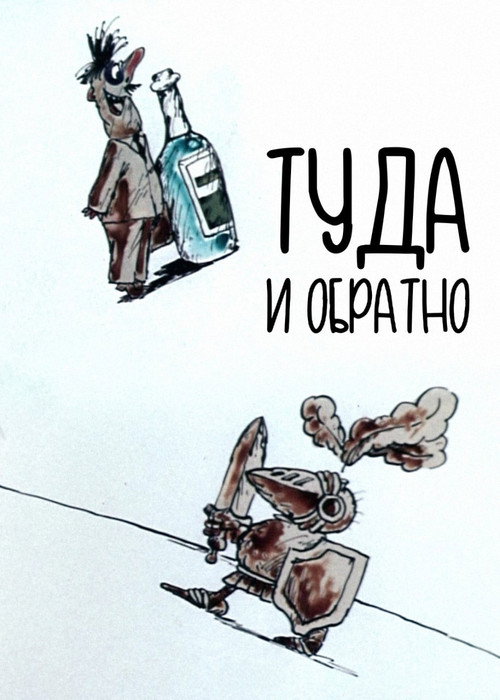
Roundtrip 1985
In Soviet-era animation, director Aleksandr Tatarskiy crafts the whimsical yet biting short film Roundtrip (1985), a two-minute allegory exploring the cyclical nature of addiction and identity.
Director: Aleksandr Tatarskiy
Cast
Frequently Asked Questions
What is Roundtrip (1985) about?
This brief animated short traces the journey of a monkey who morphs into a human after giving in to alcohol, only to resume his original form once sobriety—and its consequences—sets in. The film uses dark humor to critique how addiction distorts perception and identity.
Who directed Roundtrip?
Aleksandr Tatarskiy is the visionary behind Roundtrip, known for his innovative and often satirical approach to Soviet animation.
Who stars in Roundtrip?
The film features Aleksandr Tatarskiy, credited as both director and the voice behind the protagonist.
Is Roundtrip (1985) worth watching?
While Roundtrip is a niche animated short with no IMDb rating, its clever allegory and Soviet animation style make it a standout curiosity. Its brevity and thematic depth offer a quick but thought-provoking experience, ideal for fans of vintage animation and social satire.
How long is Roundtrip?
Roundtrip clocks in at just 2 minutes, making it a microcosm of storytelling and animation.
Roundtrip (1985): A Soviet Animated Short About Addiction's Vicious Cycle
In Soviet-era animation, director Aleksandr Tatarskiy crafts the whimsical yet biting short film Roundtrip (1985), a two-minute allegory exploring the cyclical nature of addiction and identity. The story follows a monkey who transforms into a human through the influence of alcohol, only to revert back to his original form—a poignant commentary on the fleeting facade of sophistication and the inescapable grip of vice. With its surreal visuals and satirical edge, the film blends dark humor with a cautionary tale about self-destruction.
Grounded in the minimalist yet expressive style of Soviet animation, Roundtrip captures a fleeting moment in cinema history where storytelling transcends its brief runtime to leave a lasting impression. Themes of transformation, regret, and the illusion of control resonate through its concise narrative, making it a curious artifact for animation enthusiasts and social commentators alike.