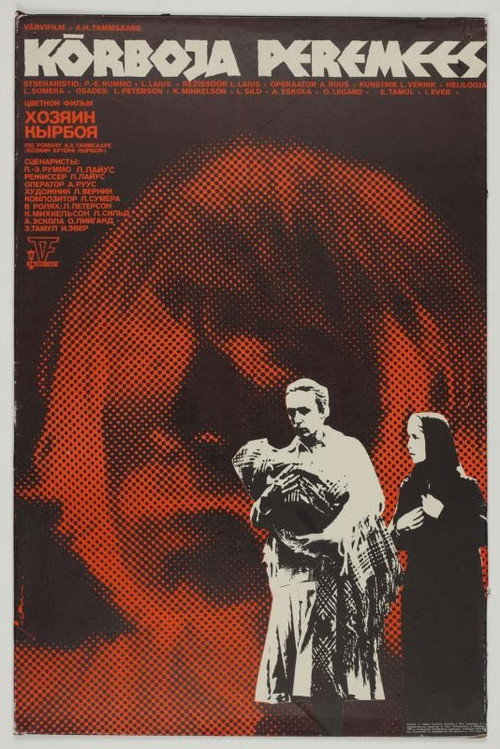
The Master of Kõrboja 1980
Leida Laius' gentle 1980 drama *The Master of Kõrboja* follows Anna, who returns to her crumbling family farm after years away in town to prevent its sale to strangers.
Director: Leida Laius
Cast


Frequently Asked Questions
What is The Master of Kõrboja (1980) about?
Anna returns to her rural family farm to save it from being sold, only to face an unexpected challenge: the estate's survival depends on her stepping into the role of its master. Her reunion with Villu, her childhood friend, rekindles old bonds while forcing her to confront her past and future.
Who directed The Master of Kõrboja?
The film was directed by Estonian filmmaker Leida Laius, known for her sensitive portrayals of rural life and inner conflict.
Who stars in The Master of Kõrboja?
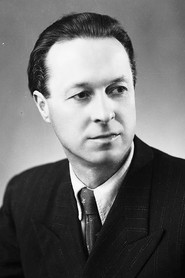
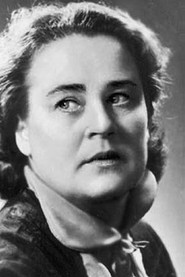
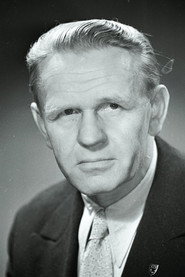
The film features Kaie Mihkelson as Anna, with Lembit Peterson as Villu, alongside Ants Eskola, Elo Tamul, and Maimu Pajusaar in pivotal roles.
Is The Master of Kõrboja (1980) worth watching?
Though unrated on IMDb, this 87-minute drama shines in its quiet storytelling and emotional depth, ideal for fans of slow-burn character studies. Its themes of duty and belonging resonate strongly, making it a hidden gem for drama enthusiasts seeking substance over spectacle.
How long is The Master of Kõrboja?
The runtime is 87 minutes.
🎥 Trailer
About The Master of Kõrboja (1980) — A Quiet Drama of Homecoming and Unspoken Love
Leida Laius' gentle 1980 drama *The Master of Kõrboja* follows Anna, who returns to her crumbling family farm after years away in town to prevent its sale to strangers. The estate feels like a character itself—its quiet rooms and overgrown fields echoing generations of unspoken expectations. Upon her arrival, Anna reconnects with Villu, her childhood companion, whose presence stirs memories and hints at possibilities neither had anticipated.
At its heart, the film explores duty versus desire, the pull of roots against the freedom of urban life. Laius crafts a contemplative atmosphere where every glance and silence speaks volumes, underscoring the tension between preserving legacy and embracing change. With its pastoral setting and restrained emotion, *The Master of Kõrboja* offers a poignant meditation on belonging and second chances.