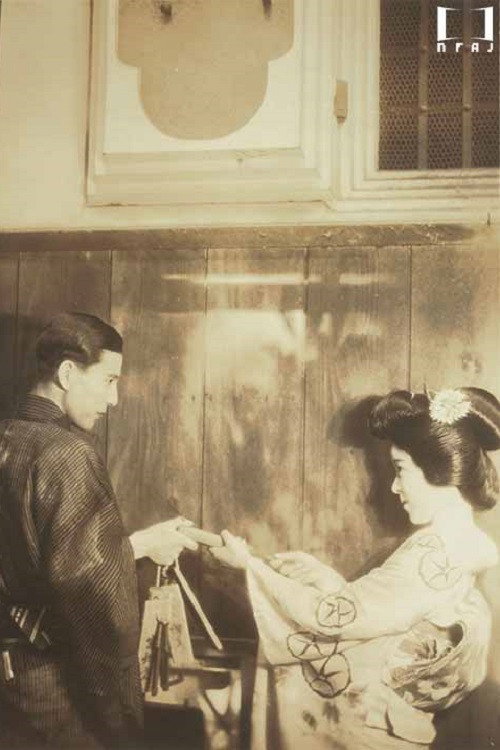
The Feast of Gion 1933
Nestled within the refined streets of 1930s Kyoto, Kenji Mizoguchi's *The Feast of Gion (1933)* unfolds as a haunting tale of romance set against the backdrop of a bustling trading house.
Director: Kenji Mizoguchi
Cast


Frequently Asked Questions
What is The Feast of Gion (1933) about?
This tragic romance takes place in Kyoto's trading houses, where a young woman's love for a conflicted merchant becomes entangled in the rigid expectations of society. Set against the backdrop of a changing era, it explores the tension between duty and desire.
Who directed The Feast of Gion?
Kenji Mizoguchi, one of Japan's most celebrated filmmakers, directed *The Feast of Gion*. Known for his visually poetic and emotionally profound films, Mizoguchi crafted this lost gem as part of his early exploration of human relationships.
Who stars in The Feast of Gion?
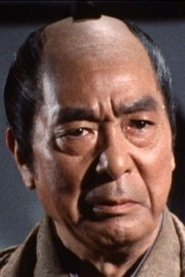
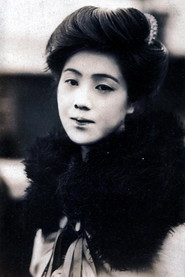
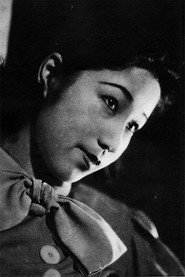
Shizuko Mori leads the cast, supported by Tokihiko Okada, Sumiko Suzuki, Ichirō Sugai, and Bontarō Miake.
Is The Feast of Gion (1933) worth watching?
Though unrated and lost to time, *The Feast of Gion* offers a rare glimpse into Mizoguchi's early genius. Its themes of tragic romance and societal constraints make it a compelling watch for fans of classic Japanese cinema.
How long is The Feast of Gion?
The Feast of Gion (1933) has a runtime of 68 minutes.
About The Feast of Gion (1933) — Japan's Lost Melancholic Love Story by Kenji Mizoguchi
Nestled within the refined streets of 1930s Kyoto, Kenji Mizoguchi's *The Feast of Gion (1933)* unfolds as a haunting tale of romance set against the backdrop of a bustling trading house. This melancholic masterpiece, now a lost film, weaves a poignant story of love's fleeting moments, where duty and desire collide in the shadows of tradition. Mizoguchi's delicate direction and Shizuko Mori's heartbreaking performance anchor the narrative, capturing the bittersweet essence of a relationship strained by societal expectations. The film's atmospheric portrayal of Kyoto's merchant world—where whispers of commerce mingle with the echoes of unspoken emotions—creates a visually rich and emotionally resonant experience.
A tragic love story emerges between a young woman and a man torn between familial obligations and fleeting passion, all while the city's undercurrents of change threaten to dissolve their fragile bond. The Feast of Gion (1933) stands as a testament to Mizoguchi's genius, blending lyrical storytelling with a keen sense of drama. Though the film itself is lost to time, its themes of longing and sacrifice continue to linger, offering a glimpse into the golden era of Japanese cinema.