Ommo 1972
Ommo (1972) is a mesmerizing 17-minute animated short that pushes the boundaries of experimental cinema.
Director: Myron Ort
Frequently Asked Questions
What is Ommo (1972) about?
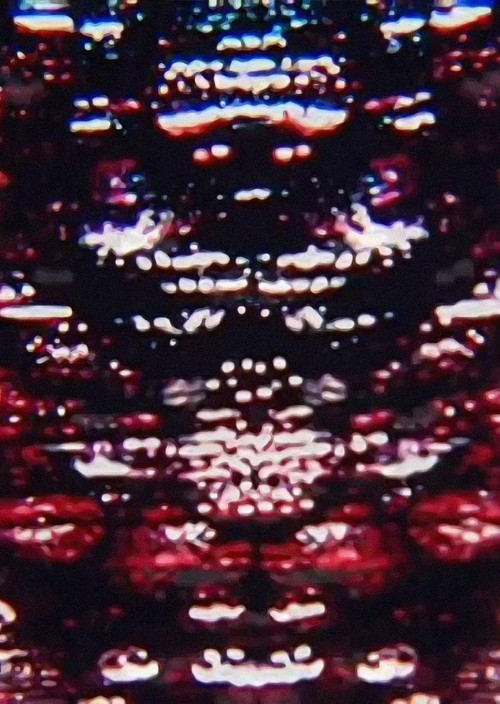
Ommo (1972) is an experimental animated short that explores a mandala-like sequence of ever-changing visuals, blending angelic and demonic imagery. The film's hand-painted techniques create a hypnotic, ephemeral experience that feels both meditative and unsettling.
Who directed Ommo?
Ommo was directed by Myron Ort, whose work in this film showcases a unique approach to animated storytelling through hand-painted techniques.
Who stars in Ommo?
Cast details for Ommo (1972) are not publicly listed.
Is Ommo (1972) worth watching?
As an unrated experimental short, Ommo (1972) offers a niche but fascinating experience for fans of avant-garde animation. Its visual inventiveness and atmospheric depth make it a rewarding watch for those who appreciate handcrafted cinema, even if it lacks mainstream appeal.
How long is Ommo?
Ommo (1972) runs for 17 minutes.
About Ommo (1972) — The Hand-Painted Animated Short That Defies Reality
Ommo (1972) is a mesmerizing 17-minute animated short that pushes the boundaries of experimental cinema. Directed by Myron Ort, this hand-painted film begins as an 8mm project before being meticulously blown up to 16mm and reworked with optical illusions, creating a hypnotic mandala of shifting forms. The imagery cycles between angelic serenity and demonic intensity, evoking an ephemeral dance of light and shadow. Its ever-changing configurations invite viewers into a dreamlike trance, where every frame feels like a fleeting glimpse into another dimension.
Part avant-garde art piece and part spiritual meditation, Ommo (1972) stands as a testament to the power of analog filmmaking in an era of digital dominance. The film's hand-painted aesthetics and optical manipulations give it a tactile, almost alchemical quality, making each viewing a unique experience. While sparse on narrative, its visual poetry lingers long after the credits roll, leaving audiences to ponder the fleeting nature of perception itself.