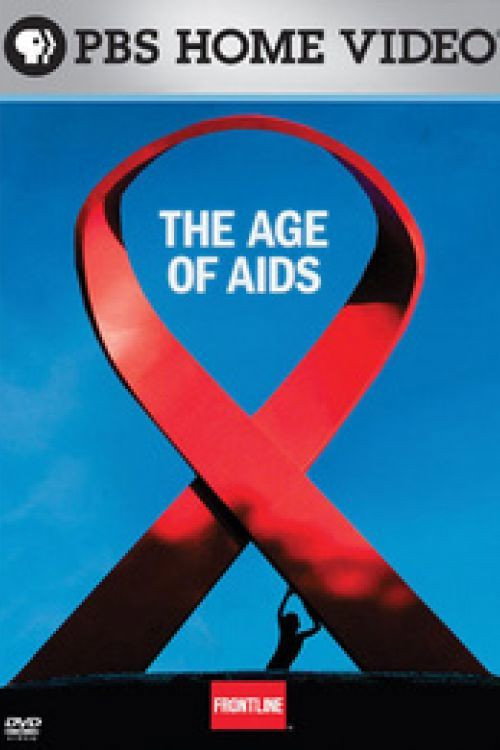
The Age of AIDS 2006
"On the 25th anniversary of the first diagnosed cases of AIDS, FRONTLINE examines one of the worst pandemics the world has ever known."
Greg Barker's powerful documentary *The Age of AIDS* (2006) dives deep into one of history's most devastating pandemics, tracing 25 years of denial, stigma, and scientific breakthroughs since the first reported AIDS cases.
Director: Greg Barker
Cast


Frequently Asked Questions
What is The Age of AIDS (2006) about?
*The Age of AIDS* examines the harrowing 25-year journey of HIV/AIDS, from its earliest days to its ongoing global spread. The film blends personal stories with big-picture analysis, revealing how politics, science, and stigma collided to shape one of modern history's deadliest crises.
Who directed The Age of AIDS?
Greg Barker directed *The Age of AIDS* (2006), bringing a filmmaker's eye to this urgent public health narrative.
Who stars in The Age of AIDS?
The documentary features voices from the frontlines: narrator Will Lyman, activist Peter Staley, and others whose lives were forever changed by the pandemic.
Is The Age of AIDS (2006) worth watching?
As a documentary, *The Age of AIDS* is worth watching for its depth, historical weight, and unflinching honesty about a crisis still unfolding. While lacking an IMDb rating, its four-hour runtime signals a commitment to thorough storytelling—ideal for viewers seeking more than surface-level awareness.
How long is The Age of AIDS?
The documentary runs for 240 minutes, or four hours, allowing for a comprehensive exploration of its themes.
About The Age of AIDS (2006) — A gripping documentary on HIV/AIDS's global impact
Greg Barker's powerful documentary *The Age of AIDS* (2006) dives deep into one of history's most devastating pandemics, tracing 25 years of denial, stigma, and scientific breakthroughs since the first reported AIDS cases. Through intimate interviews with researchers, activists, and patients, the film weaves together the raw human stories behind the virus with the global political struggles that shaped its spread. Barker crafts a haunting yet urgent narrative, balancing heartbreaking accounts of loss with the slow, uneven progress toward treatment and prevention. The documentary doesn't shy away from the harsh truths—policy failures, societal prejudice, and the relentless march of a disease that still claims millions.
A quarter-century after the crisis began, *The Age of AIDS* (2006) forces viewers to confront uncomfortable questions: What were the lessons of the past, and why has the fight against HIV/AIDS remained so fraught with challenges? Barker's film is both a time capsule and a call to action, capturing the resilience of those affected while exposing the systemic gaps that allowed the pandemic to fester. With a runtime of four hours, it's a marathon of emotion, but one that rewards patience with a sobering, unforgettable look at a crisis far from over.