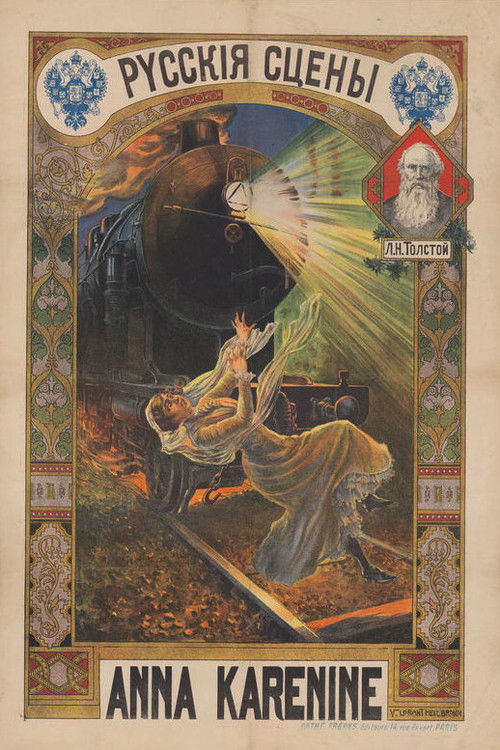
Anna Karenina 1912
Dive into the early cinematic adaptation of Leo Tolstoy's timeless tragedy, *Anna Karenina* (1912), directed by Albert Capellani. This silent-era short film transports viewers to Imperial Russia, where societal pressures and personal desires collide in a tale of forbidden love.
Director: Albert Capellani
Cast
Frequently Asked Questions
What is Anna Karenina (1912) about?
*Anna Karenina* follows Anna, a married woman in Imperial Russia, who falls into a passionate affair with the charismatic Vronsky after visiting her brother in Moscow. Their illicit romance exposes the precarious position of women in high society, where reputation is everything and scandal can be ruinous. The film explores themes of love, duty, and the suffocating rules of the aristocracy.
Who directed Anna Karenina?
Anna Karenina was directed by Albert Capellani, a pioneer of early French cinema known for his adaptations of literary classics.
Who stars in Anna Karenina?
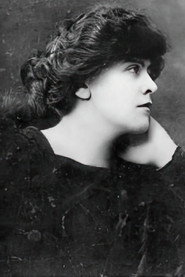
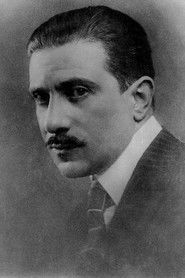
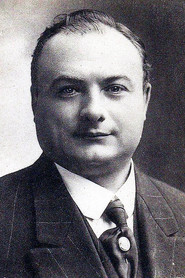
The film stars Jeanne Delvair as Anna Karenina, Paul Capellani as her husband Karenin, and Léon Bernard as the dashing Vronsky.
Is Anna Karenina (1912) worth watching?
At just 10 minutes, *Anna Karenina* (1912) offers a fascinating glimpse into early cinema and silent-era storytelling. While it lacks the depth of later adaptations, its themes of forbidden love and societal pressure remain compelling. Fans of historical dramas and Tolstoy's work will appreciate its condensed take on a timeless tale.
How long is Anna Karenina?
Anna Karenina (1912) has a runtime of 10 minutes.
About Anna Karenina (1912) — Silent-Era Tragedy of Love and Reputation
Dive into the early cinematic adaptation of Leo Tolstoy's timeless tragedy, *Anna Karenina* (1912), directed by Albert Capellani. This silent-era short film transports viewers to Imperial Russia, where societal pressures and personal desires collide in a tale of forbidden love. Jeanne Delvair stars as the tormented Anna, a high-society wife whose fate becomes intertwined with the dashing cavalry officer Vronsky, played by Léon Bernard. As Anna navigates the rigid expectations of St. Petersburg's elite, her clandestine romance threatens to unravel both her reputation and her marriage, painting a portrait of passion and societal decay. The film's atmosphere is steeped in opulence and melancholy, capturing the era's contrasts between glamour and moral rigidity.
Crafted in just 10 minutes, this early film adaptation distills Tolstoy's novel into a concise yet evocative narrative. Capellani's direction weaves together themes of love, duty, and the stifling constraints of 19th-century Russian aristocracy, offering a glimpse into cinema's infancy while honoring the enduring power of its source material.