The One-Eyed Swordsman 1968
Set in ancient China, The One-Eyed Swordsman (1968) is a gripping martial arts film that follows the journey of a skilled swordsman. Directed by Ling Yun, this action-packed adventure features Lui Kei as the titular character, joined by Suet Nei and Sek Kin in key roles.
Director: Ling Yun
Cast

Frequently Asked Questions
What is The One-Eyed Swordsman (1968) about?
The film follows the journey of a skilled swordsman as he navigates a world of honor, loyalty, and bravery, testing his skills and character in a series of intense battles.
Who directed The One-Eyed Swordsman?
Directed by Ling Yun, a master of martial arts films.
Who stars in The One-Eyed Swordsman?
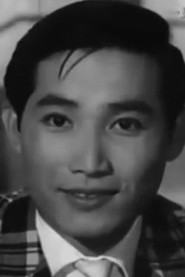
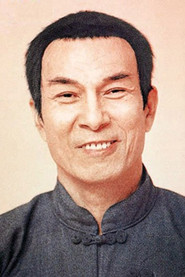
The film features a talented cast, including Lui Kei, Suet Nei, and Sek Kin.
Is The One-Eyed Swordsman (1968) worth watching?
Although the IMDb rating is not available, the film's engaging narrative, impressive stunts, and timeless themes make it a compelling watch for fans of martial arts and adventure movies.
How long is The One-Eyed Swordsman?
Runtime details are not listed for The One-Eyed Swordsman.
About The One-Eyed Swordsman (1968) — A Legendary Martial Arts Adventure
Set in ancient China, The One-Eyed Swordsman (1968) is a gripping martial arts film that follows the journey of a skilled swordsman. Directed by Ling Yun, this action-packed adventure features Lui Kei as the titular character, joined by Suet Nei and Sek Kin in key roles. With its blend of intense fight sequences and stunning landscapes, The One-Eyed Swordsman (1968) transports viewers to a world of honor, loyalty, and bravery. The film's themes of perseverance and self-discovery are timeless, making it a must-watch for fans of the genre. Although the runtime details are not listed, the movie's engaging narrative and impressive stunts make it a compelling watch. Fans of martial arts films and adventure movies will find themselves drawn into the world of The One-Eyed Swordsman (1968).