Le pont de Mauves 1941
Jacques Demy's *Le pont de Mauves (1941)* is a fleeting yet mesmerizing foray into early animation, capturing a poetic moment where artistry meets imagination.
Director: Jacques Demy
Frequently Asked Questions
What is Le pont de Mauves (1941) about?
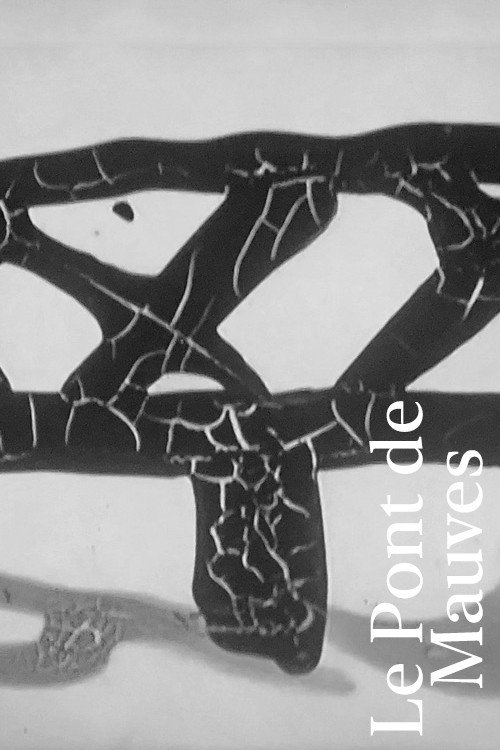
*Le pont de Mauves* is a short animated film that uses a single, evocative setting—a bridge—to explore themes of passage and stillness. Without dialogue or traditional storytelling, it relies on visual symbolism to convey a mood of quiet reflection and artistic expression.
Who directed Le pont de Mauves?
Le pont de Mauves was directed by Jacques Demy, a visionary filmmaker whose later works like *The Umbrellas of Cherbourg* would cement his reputation as a master of poetic cinema.
Who stars in Le pont de Mauves?
Cast details for *Le pont de Mauves* are not officially listed, reflecting its experimental and short-form nature as an early animation piece.
Is Le pont de Mauves (1941) worth watching?
Given its brevity and artistic ambition, *Le pont de Mauves* is a compelling watch for fans of early animation or Demy's filmography. While it's not a narrative-driven film, its visual storytelling offers a unique glimpse into the director's evolving style. For those seeking depth in minimal runtime, it's a hidden gem worth tracking down.
How long is Le pont de Mauves?
Le pont de Mauves runs for 2 minutes.
About Le pont de Mauves (1941) — Early Jacques Demy Animation Explored
Jacques Demy's *Le pont de Mauves (1941)* is a fleeting yet mesmerizing foray into early animation, capturing a poetic moment where artistry meets imagination. This two-minute short film unfolds like a dream, using delicate visuals to explore the interplay between light and shadow, motion and stillness. Though minimal in runtime, it carries the essence of Demy's later, more celebrated works—hinting at the emotional depth and visual flair that would define his career. The film's atmosphere is dreamlike, with a quiet intensity that lingers long after the credits roll.
Director Jacques Demy, still in the early stages of his career, crafts a tiny masterpiece here. *Le pont de Mauves* may lack dialogue or a traditional narrative, but it speaks volumes through its expressive animation and subtle symbolism. The bridge of the title serves as more than a setting; it becomes a metaphor for transition, connection, and the fleeting nature of time. This is a film for those who appreciate animation not just as entertainment, but as a medium for pure cinematic poetry.