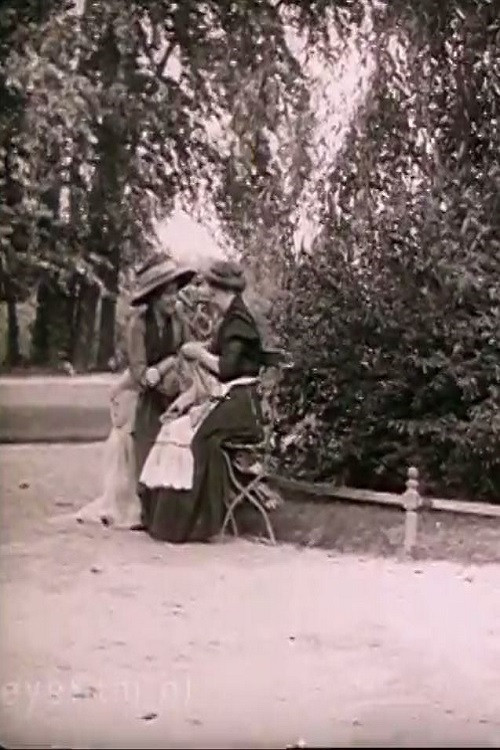
Christmas Tears 1910
Christmas Tears (1910) is a haunting early silent drama that explores the devastating consequences of parental neglect.
Director: Charles Decroix
Frequently Asked Questions
What is Christmas Tears (1910) about?
The film follows a mother who, distracted for just a moment, fails to prevent her daughter from being struck and killed by a vehicle. Consumed by sorrow and self-reproach, she descends into madness, unable to cope with the tragic consequences of her inattention.
Who directed Christmas Tears?
Charles Decroix directed Christmas Tears (1910), bringing his vision to this early silent era drama that explores themes of loss and maternal guilt.
Who stars in Christmas Tears?
The main cast details for Christmas Tears (1910) are not available in historical records, which is common for many films from this early period of cinema.
Is Christmas Tears (1910) worth watching?
Christmas Tears (1910) holds historical value as an early silent drama, though its brief runtime and primitive production make it more of academic interest than entertainment. Fans of vintage cinema and film historians may find it compelling as a window into early 20th-century filmmaking.
How long is Christmas Tears?
Christmas Tears (1910) runs for 11 minutes, making it a short film typical of early silent era productions.
Christmas Tears: Silent Era Tragedy — Full Movie Info
Christmas Tears (1910) is a haunting early silent drama that explores the devastating consequences of parental neglect. Directed by Charles Decroix, this 11-minute film tells the tragic story of a mother whose momentary distraction leads to the death of her young daughter, setting off a spiral of grief and guilt that ultimately consumes her sanity. The film's brevity doesn't diminish its emotional impact, as it captures the raw human cost of loss during what should be a joyous holiday season.
This vintage melodrama showcases the stark storytelling style typical of the era, where simple visual narratives carried profound emotional weight. The absence of intertitles or detailed cast information speaks to the primitive nature of early cinema, yet the core themes remain universally resonant. Christmas Tears (1910) serves as both a historical curiosity and a poignant reminder of how quickly happiness can turn to tragedy, making it a significant artifact for silent film enthusiasts and those interested in the evolution of dramatic storytelling on screen.