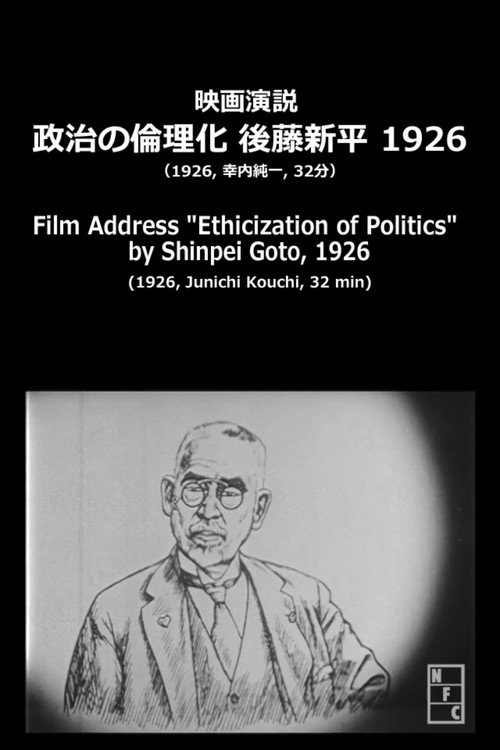
Film Address: Ethicization of Politics 1926
Dive into the intriguing world of *Film Address: Ethicization of Politics* (1926), a pioneering animated documentary directed by Jun'ichi Kōuchi.
Director: Jun'ichi Kōuchi
Cast
Frequently Asked Questions
What is Film Address: Ethicization of Politics (1926) about?
This short film is a political documentary advocating for universal suffrage, directed by Jun'ichi Kōuchi. Written by statesman Shinpei Goto, it uses early animation techniques to convey its message, blending artistic innovation with social reform ideals of the 1920s.
Who directed Film Address: Ethicization of Politics?
Jun'ichi Kōuchi directed the film. Kōuchi was a pioneer in Japanese animation, known for blending traditional storytelling with emerging cinematic techniques.
Who stars in Film Address: Ethicization of Politics?
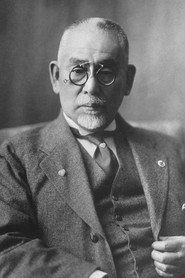
The film features Shinpei Goto as the central figure, with additional voices and roles likely played by early Japanese animated film actors, though detailed credits are scarce.
Is Film Address: Ethicization of Politics (1926) worth watching?
Given its historical significance as one of the earliest animated political films, it's a fascinating watch for film buffs and those interested in early advocacy cinema. While it may lack modern animation polish, its ideological passion and innovative approach make it a rewarding experience for niche audiences.
How long is Film Address: Ethicization of Politics?
The film runs for 32 minutes.
Film Address: Ethicization of Politics (1926) — Early Animated Political Advocacy Explored
Dive into the intriguing world of *Film Address: Ethicization of Politics* (1926), a pioneering animated documentary directed by Jun'ichi Kōuchi. This 32-minute short film blends political advocacy with early animation techniques, offering a fascinating glimpse into early 20th-century debates on governance and rights. Crafted by statesman Shinpei Goto, the film champions universal suffrage against a backdrop of societal change, blending persuasive rhetoric with the novelty of animation. Its atmosphere is one of earnest persuasion, where artistic innovation meets ideological fervor, making it a curious artifact for film historians and political enthusiasts alike.
While not a commercial blockbuster by modern standards, *Film Address: Ethicization of Politics* stands out as a bold experiment in marrying art with activism. Its historical significance lies in its early use of animation to convey political messages, a rarity in its time. For those intrigued by the intersection of cinema and social reform, this film offers a compelling snapshot of an era where filmmaking was just beginning to explore its potential as a tool for change.