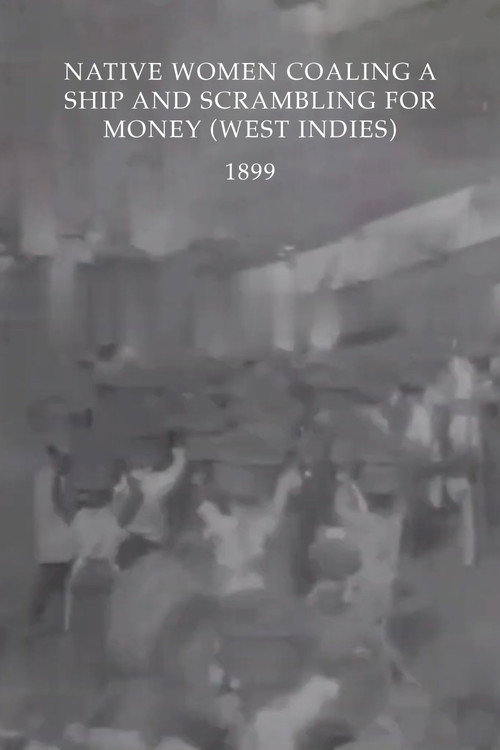
Native Women Coaling a Ship and Scrambling for Money (West Indies) 1903
This silent documentary from 1903 captures a vivid slice of early 20th-century life aboard the S.S. Prinzessin Victoria Luise of the Hamburg-American Line.
Frequently Asked Questions
What is Native Women Coaling a Ship and Scrambling for Money (West Indies) (1903) about?
This silent documentary from 1903 showcases West Indian women working on a ship's coal docks, their labor interrupted by tourists tossing money, sparking a chaotic scramble. The film blends themes of survival, colonial labor, and public entertainment.
Who directed Native Women Coaling a Ship and Scrambling for Money (West Indies)?
Director information is not available.
Who stars in Native Women Coaling a Ship and Scrambling for Money (West Indies)?
The cast is not credited, reflecting the era's documentation-focused approach rather than star-driven filmmaking.
Is Native Women Coaling a Ship and Scrambling for Money (West Indies) (1903) worth watching?
As a historical artifact, this 3-minute silent documentary is a fascinating window into early 20th-century maritime labor and tourism. While it lacks narrative depth, its raw authenticity makes it compelling for film historians and enthusiasts of pre-cinema era cinema.
How long is Native Women Coaling a Ship and Scrambling for Money (West Indies)?
The runtime is 3 minutes.
About Native Women Coaling a Ship and Scrambling for Money (West Indies) (1903) — Rare 1903 documentary capturing colonial-era labor and spectacle
This silent documentary from 1903 captures a vivid slice of early 20th-century life aboard the S.S. Prinzessin Victoria Luise of the Hamburg-American Line. The film offers a panoramic view of bustling West Indian coal docks where a mesmerizing scene unfolds: between 200 and 300 women energetically labor to coal a ship, their movements synchronized yet frantic as they compete for coins tossed by onlooking tourists. The black-and-white footage pulses with raw energy, blending the grit of manual labor with the excitement of a spectacle, creating an atmosphere that feels both historical and unexpectedly human.
"Native Women Coaling a Ship and Scrambling for Money (West Indies) (1903)" stands as a rare glimpse into colonial-era working conditions and leisure activities, where economic desperation and tourist entertainment collide. The film's documentary genre shines through its unfiltered portrayal of everyday life, offering modern viewers a time capsule of early maritime culture. While the director and cast remain anonymous, the documentary's power lies in its authenticity—transporting audiences to a moment frozen in time, where labor and leisure intertwine under the Caribbean sun.