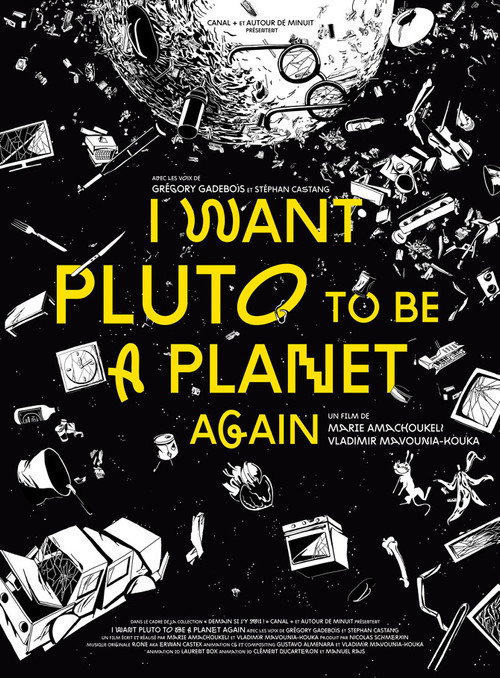
I Want Pluto to Be a Planet Again 2016
I Want Pluto to Be a Planet Again (2016) is a delicate animated short that blends romance and science fiction into a near-future tale.
Director: Marie Amachoukeli-Barsacq
Cast
Frequently Asked Questions
What is I Want Pluto to Be a Planet Again (2016) about?
This animated short explores a near-future romance between Marcus, a young man labeled H-, and his H+ partner in a society reshaped by genetic transhumanism. Their love story unfolds against a backdrop of societal divisions, questioning whether connection can transcend biological and social barriers.
Who directed I Want Pluto to Be a Planet Again?
Marie Amachoukeli-Barsacq directed this thought-provoking short film, known for her evocative storytelling in animation and live-action.
Who stars in I Want Pluto to Be a Planet Again?
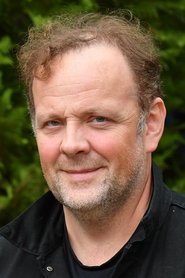
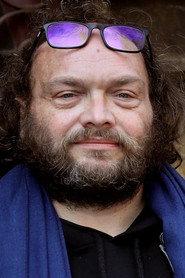
The main cast includes Grégory Gadebois and Stéphan Castang, who bring depth and emotion to their roles in this transhumanist romance.
Is I Want Pluto to Be a Planet Again (2016) worth watching?
With its unique blend of romance and sci-fi, this 12-minute short offers a reflective and visually compelling experience. While it's not rated on IMDb, its themes of love and societal divides make it a standout in the animation genre—ideal for fans of thought-provoking storytelling.
How long is I Want Pluto to Be a Planet Again?
The film runs for 12 minutes.
About I Want Pluto to Be a Planet Again (2016) — A Transhumanist Romance Short Film
I Want Pluto to Be a Planet Again (2016) is a delicate animated short that blends romance and science fiction into a near-future tale. Directed by Marie Amachoukeli-Barsacq, this 12-minute film unfolds in a world where society has been redefined by genetic transhumanism—H- and H+ now represent the haves and have-nots. At its heart lies the tender but strained relationship between Marcus, a young man from modest H- origins, and his H+ partner, whose enhanced status places them on opposite sides of an invisible societal divide. The story explores themes of love against the odds, class disparity, and the quiet ache of wanting to bridge an unbridgeable gap, all wrapped in a dreamlike, bittersweet atmosphere.
Set against a backdrop of neon-lit cityscapes and intimate, softly lit interiors, the film captures the fragility of connection in a world that has been scientifically—and socially—reengineered. Amachoukeli-Barsacq's direction lends a poetic realism to the narrative, making the emotional weight feel both personal and universal. As Marcus and his partner navigate a future where genetics dictate destiny, the title itself becomes a poignant metaphor for nostalgia, identity, and the human desire to reclaim what once felt natural.