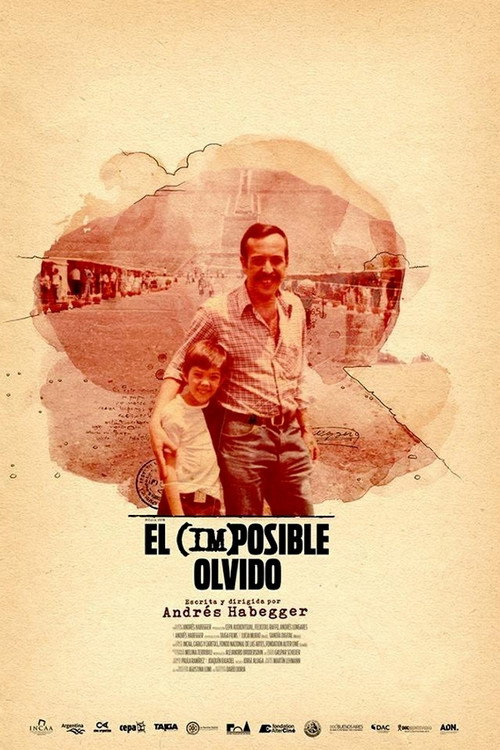
El (im)posible olvido 2016
In *El (im)posible olvido* (2016), Argentine director Andrés Habegger turns the camera inward in a haunting documentary that explores the shadows of Argentina's dark past.
Director: Andrés Habegger
Frequently Asked Questions
What is El (im)posible olvido (2016) about?
This documentary follows filmmaker Andrés Habegger as he investigates the disappearance of his father, a militant journalist kidnapped in 1978. Through personal archives and travel, he reconstructs a life interrupted by political violence, blending family history with the broader tragedy of Argentina's Dirty War.
Who directed El (im)posible olvido?
Andrés Habegger directed *El (im)posible olvido* (2016), using his filmmaking skills to confront his family's unresolved past.
Who stars in El (im)posible olvido?
Director Andrés Habegger is the central figure, with archival footage and interviews featuring historical references to his father, Norberto Habegger.
Is El (im)posible olvido (2016) worth watching?
Given its emotionally resonant themes and documentary gravitas, *El (im)posible olvido* is a moving watch for those interested in personal histories intertwined with political struggles. Its intimate approach makes it a standout in the genre.
How long is El (im)posible olvido?
The runtime is 81 minutes (1 hour and 21 minutes).
About El (im)posible olvido (2016) — A son's search for a father lost to Argentina's dictatorship
In *El (im)posible olvido* (2016), Argentine director Andrés Habegger turns the camera inward in a haunting documentary that explores the shadows of Argentina's dark past. As he traces the disappearance of his father, Norberto Habegger—a journalist and Montonero activist abducted in Brazil in 1978—Habegger pieces together fragments of memory from old photographs, childhood diaries, and places tied to his father's life. The film weaves together personal grief and historical reckoning, creating an intimate yet sweeping portrait of loss and resilience.
Atmospheric and deeply evocative, this documentary blends private sorrow with the broader tragedy of state-sponsored violence during the Southern Cone dictatorships. Through quiet reflection and archival discoveries, Habegger confronts the silence that once shrouded his family's story, transforming absence into a narrative of remembrance. The result is a film that lingers, challenging viewers to reflect on how history echoes through generations.