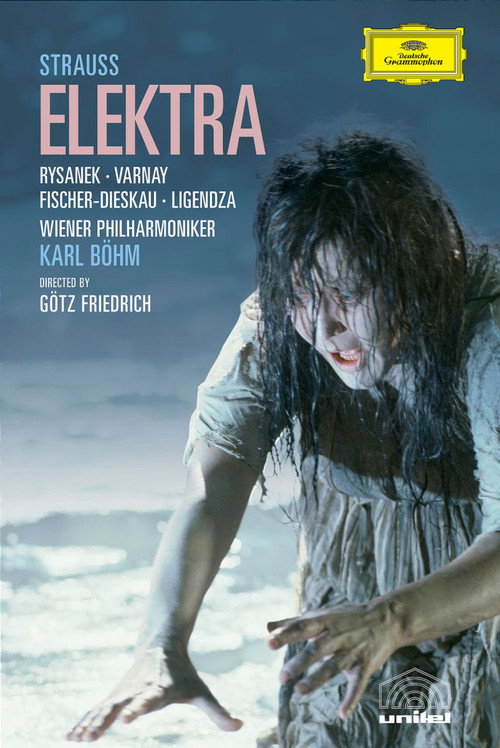
Elektra 1981
Dive into Götz Friedrich's striking cinematic interpretation of Richard Strauss's electrifying opera *Elektra (1981)*, where raw vengeance and haunting beauty collide.
Director: Götz Friedrich
Cast
Frequently Asked Questions
What is Elektra (1981) about?
This film follows the tragic tale of Elektra, the daughter of King Agamemnon, who seeks vengeance for her father's murder at the hands of her mother, Klytämnestra. Her obsession with justice consumes her, driving the narrative through a dark and emotionally charged journey of betrayal and retribution.
Who directed Elektra?
Götz Friedrich directed *Elektra (1981)*, bringing his visionary approach to Richard Strauss's iconic opera.
Who stars in Elektra?
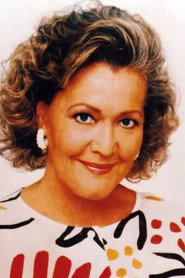
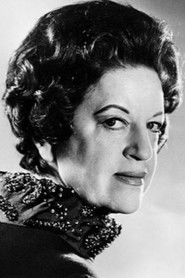
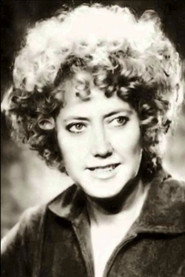
The film features powerhouse performances by Leonie Rysanek, Astrid Varnay, Catarina Ligendza, and Dietrich Fischer-Dieskau in key roles.
Is Elektra (1981) worth watching?
For lovers of opera and dramatic cinema, *Elektra (1981)* is a compelling watch. Its intense performances and Friedrich's bold direction make it a standout in operatic adaptations, though those unfamiliar with Strauss's work might find the pacing challenging.
How long is Elektra?
*Elektra (1981)* runs for 118 minutes, offering a complete and immersive operatic experience.
About Elektra (1981) — Götz Friedrich's Operatic Masterpiece on Film
Dive into Götz Friedrich's striking cinematic interpretation of Richard Strauss's electrifying opera *Elektra (1981)*, where raw vengeance and haunting beauty collide. This adaptation transforms the stage into a vivid, immersive experience, capturing the psychological intensity of Elektra's relentless quest for justice against her mother, Klytämnestra. With towering performances from legendary soprano Leonie Rysanek and the formidable Astrid Varnay, the film immerses viewers in a world of operatic grandeur and emotional turbulence. The stark, dramatic visuals and powerful score create an atmosphere thick with tension, making every moment pulse with the weight of fate and retribution.
Friedrich's direction brings a cinematic depth to Strauss's masterpiece, blending the intimacy of character study with the grandeur of operatic tradition. The film's themes of betrayal, fury, and the inescapable grip of destiny unfold with a visceral intensity that lingers long after the final note. Audiences are treated to a rare fusion of musical brilliance and cinematic artistry, where every aria and orchestral swell feels like a visceral punch to the senses.