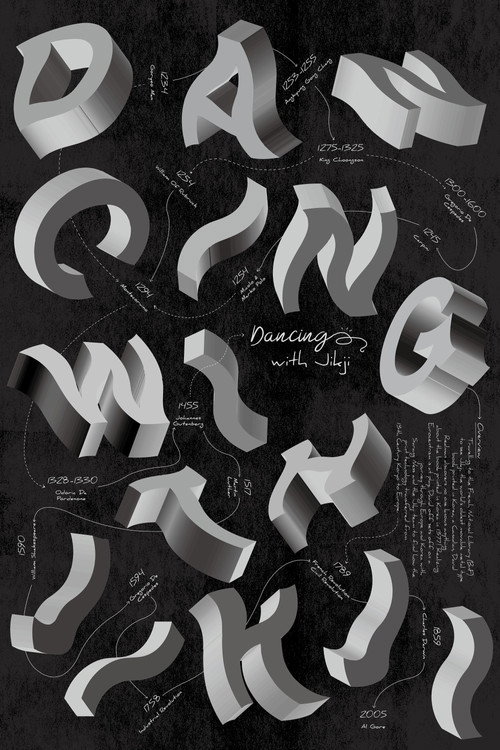
Dancing with Jikji 2017
In *Dancing with Jikji (2017)*, Canadian filmmaker David Redman embarks on an eye-opening quest across Europe and Korea to uncover the hidden origins of Jikji, the world's oldest surviving metal-type book printed in 1377.
Director: David Redman
Cast
Frequently Asked Questions
What is Dancing with Jikji (2017) about?
*Dancing with Jikji* follows filmmaker David Redman as he investigates the mysterious origins of Jikji, the world's oldest metal-type book, printed in Korea in 1377. After encountering indifference in Europe's archives, he teams up with researchers to trace how medieval Korean printing technology may have influenced the West. The film becomes a journey through time and space, questioning who gets to write history.
Who directed Dancing with Jikji?
The documentary *Dancing with Jikji (2017)* was directed by David Redman, who also stars in the film. His background in filmmaking and cultural exploration shapes the documentary's investigative tone.
Who stars in Dancing with Jikji?
The film stars director David Redman alongside researcher Sarang Ness and the Jikji team, who guide the search for answers through archives and cultural sites.
Is Dancing with Jikji (2017) worth watching?
As a documentary blending history, travel, and cultural critique, *Dancing with Jikji* offers an intriguing perspective for viewers interested in overlooked narratives. While its niche subject may limit mainstream appeal, its themes of discovery and Eurocentrism provide food for thought. The film's runtime of 102 minutes is well-paced for its subject matter.
How long is Dancing with Jikji?
The runtime of *Dancing with Jikji (2017)* is 102 minutes.
About Dancing with Jikji (2017) — A documentary unraveling history's hidden connections
In *Dancing with Jikji (2017)*, Canadian filmmaker David Redman embarks on an eye-opening quest across Europe and Korea to uncover the hidden origins of Jikji, the world's oldest surviving metal-type book printed in 1377. Initially stunned to find no one in France's national library recognizes this Korean innovation, Redman challenges Eurocentric narratives by tracing how 13th-century Goryeo-era printing technology may have traveled to the West. With the help of researcher Sarang Ness and the Jikji team, his journey transforms into a detective story that blends history, cultural pride, and the forgotten threads of global knowledge exchange.
The documentary unfolds like a visually rich travelogue, weaving together ancient manuscripts, scholarly debates, and Redman's personal reflections. As the film explores the intersections of East and West, it poses timeless questions about who controls history's narrative—and why pivotal inventions are often erased from their place of origin. Atmospheric shots of libraries, archives, and historic sites immerse viewers in a world where every page holds a clue, making *Dancing with Jikji* as much a celebration of discovery as it is a critique of colonial blind spots.