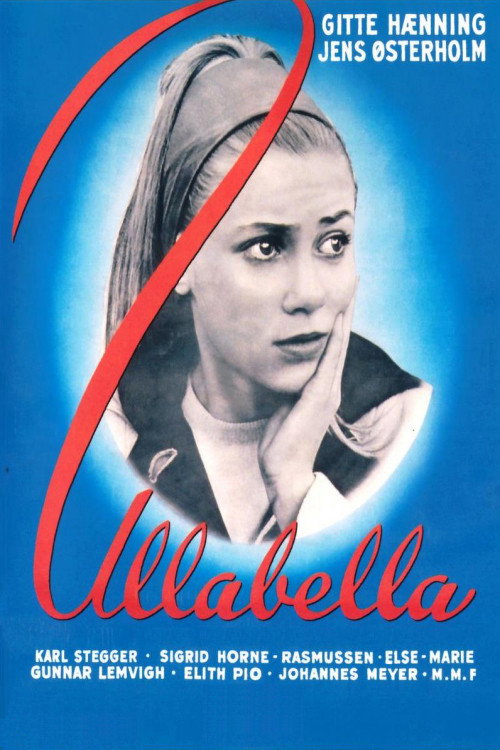
Ullabella 1961
Ullabella (1961) is a Danish family drama that follows the journey of a spirited teenage girl confronting authority and injustice.
Director: Ole Walbom
Cast
Frequently Asked Questions
What is Ullabella (1961) about?
Ullabella is a Danish family drama about a teenage girl who refuses to tolerate abuse from her teacher, sparking a personal and political battle within her family and community. The film explores themes of dignity, generational conflict, and the courage to challenge authority.
Who directed Ullabella?
Ullabella was directed by Ole Walbom, a filmmaker known for blending intimate character studies with broader social commentary.
Who stars in Ullabella?
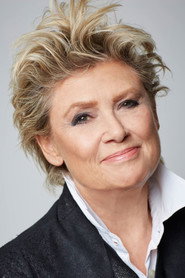
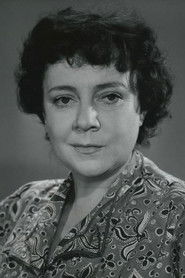
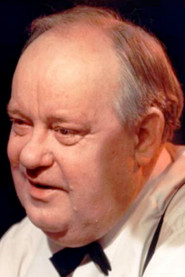
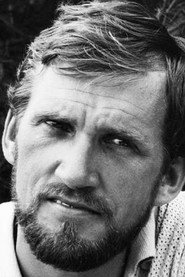
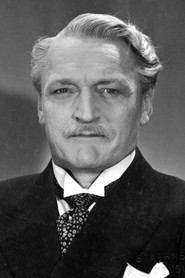
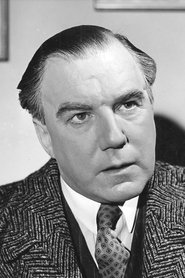
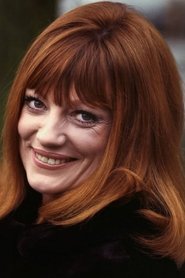
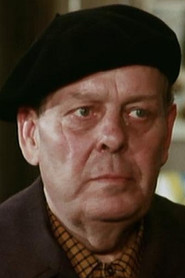
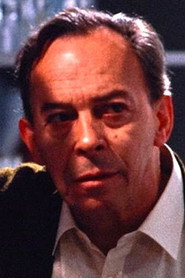
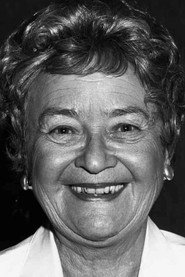
The film stars Gitte Hænning as Ullabella, with Sigrid Horne-Rasmussen, Karl Stegger, and Johannes Meyer rounding out the main cast.
Is Ullabella (1961) worth watching?
As a Danish family drama from 1961, Ullabella offers a compelling snapshot of its era, with strong performances and a thought-provoking premise. While it predates modern filmmaking techniques, its themes of justice and resistance remain relevant, making it a curious watch for fans of classic social dramas.
How long is Ullabella?
Ullabella runs for 98 minutes.
About Ullabella (1961) — A Teen's Stand Against Injustice in Danish Family Drama
Ullabella (1961) is a Danish family drama that follows the journey of a spirited teenage girl confronting authority and injustice. Directed by Ole Walbom, the film traces the emotional and political fallout when Ullabella, an idealistic high school student, endures a slap from her dismissive teacher after standing up for herself. Her refusal to accept the abuse triggers a family crusade that escalates from kitchen-table discussions to high-level political debate, exploring themes of courage, generational change, and the fragile balance between personal integrity and social norms. Shot in a warm, mid-century visual style, the movie captures the quiet tensions of 1960s Denmark with a measured intensity that lingers long after the credits roll.
At its heart, Ullabella (1961) is a story about the power of voice—how a single act of defiance can ripple outward, reshaping lives and challenging institutions. The film's atmosphere is both intimate and urgent, blending family drama with the weight of public accountability. Gitte Hænning anchors the narrative as the titular teenager, her performance imbued with a youthful determination that contrasts sharply with the stiffness of her elders, including Sigrid Horne-Rasmussen as her resilient mother and Karl Stegger as the determined uncle navigating political corridors.