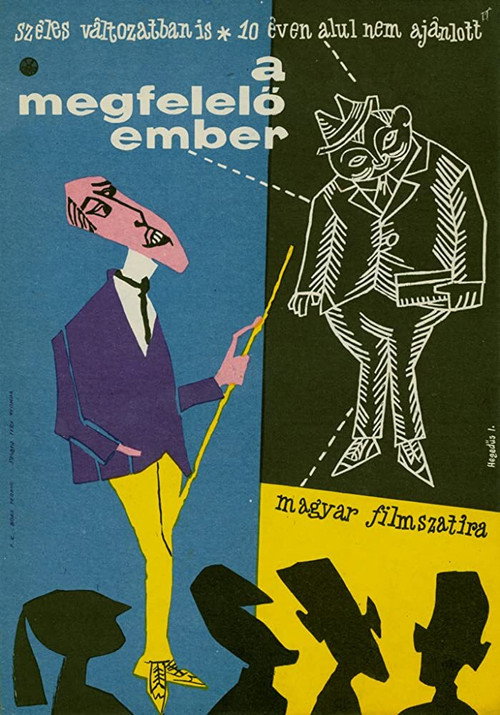
The Right Man 1960
In the 1960 Hungarian comedy *The Right Man*, director György Révész crafts a sharp satire that pokes fun at the absurdity of favoritism in love and society.
Director: György Révész
Cast

Frequently Asked Questions
What is The Right Man (1960) about?
This Hungarian comedy follows Kis Jenő, an eternally hopeful suitor who proposes to Malvinka annually, only to be met with rejection by her status-obsessed mother. The film blends gentle satire with romantic persistence, capturing the quirks of mid-century social norms.
Who directed The Right Man?
György Révész directed *The Right Man*, bringing a keen eye for comedic timing and social commentary to the 1960 film.
Who stars in The Right Man?
The film stars Gábor Agárdy as Kis Jenő, alongside Imre Apáthi and Oszkár Ascher in key roles that shape the story's charm.
Is The Right Man (1960) worth watching?
With its lighthearted satire and relatable themes, *The Right Man* offers a fun, nostalgic escape. While it lacks an IMDb rating for reference, its genre appeal and clever writing make it a solid choice for fans of classic comedies.
How long is The Right Man?
The film runs for 85 minutes, making it a perfect short watch for a cozy evening.
About The Right Man (1960) – A Hungarian Comedy of Love, Luck, and Persistence
In the 1960 Hungarian comedy *The Right Man*, director György Révész crafts a sharp satire that pokes fun at the absurdity of favoritism in love and society. The film follows the lovable but perpetually unlucky Kis Jenő, who year after year proposes to the charming Malvinka, only to be dismissed by her mother, who sees him as a hopeless misfit. Set against the backdrop of mid-century Hungary, the story blends lighthearted humor with a witty critique of social climbing and mismatched expectations.
With its breezy 85-minute runtime, *The Right Man* balances charming character dynamics and playful jabs at bureaucracy and snobbery. Gábor Agárdy leads the cast with his infectious charm, while the supporting players add depth to a tale that feels both timeless and rooted in its era. The film's enduring appeal lies in its clever script and the universal theme of perseverance in the face of rejection.