Happy Times 1933
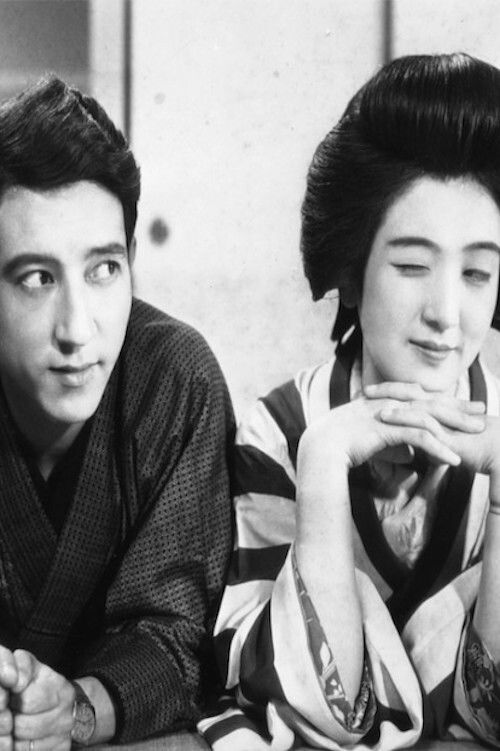
Step into the poignant world of *Happy Times (1933)*, a classic Japanese drama directed by Hiromasa Nomura. This 83-minute film weaves a quiet yet powerful tale of a young couple whose joy is overshadowed by the oppressive presence of a domineering uncle.
Director: Hiromasa Nomura
Cast
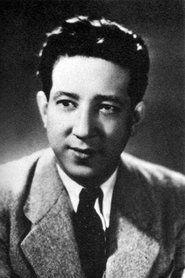
Ureo Egawa
Yasuo Tsuda
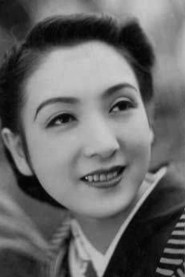
Hiroko Kawasaki
Harue
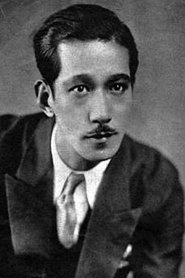
Tatsuo Saitō
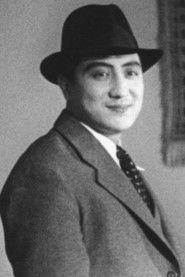
Mitsugu Fujii
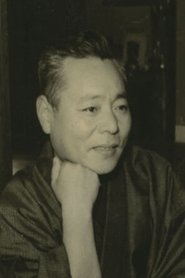
Takeshi Sakamoto

Chōko Iida
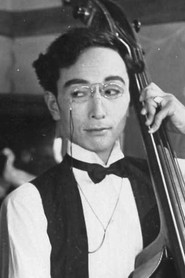
Tokuji Kobayashi
Shozaburo Abe
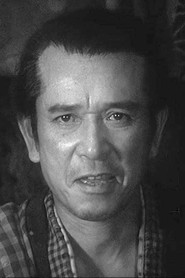
Kōji Mitsui
Frequently Asked Questions
What is Happy Times (1933) about?
*Happy Times* follows a young couple whose budding happiness is disrupted by the relentless interference of an overbearing uncle. The film delves into their struggle to find moments of joy amid familial pressure, offering a tender yet sobering look at resilience. Directed with subtlety by Hiromasa Nomura, it's a snapshot of life's quiet battles.
Who directed Happy Times?
Happy Times was directed by Hiromasa Nomura, a filmmaker known for his sensitive and humanistic approach to storytelling in classic Japanese cinema.
Who stars in Happy Times?
The film stars Ureo Egawa and Hiroko Kawasaki as the young couple at its heart, with strong supporting performances from Tatsuo Saitō, Mitsugu Fujii, Takeshi Sakamoto, and Chōko Iida.
Is Happy Times (1933) worth watching?
While *Happy Times* isn't widely rated today, its emotional depth and authentic portrayal of its themes make it a rewarding watch for fans of vintage dramas. Its short runtime and understated storytelling offer a unique perspective on resilience and familial conflict, though it may not appeal to those seeking high-energy plots.
How long is Happy Times?
Happy Times has a runtime of 83 minutes.
About Happy Times (1933) — A Quiet Drama of Love and Oppression
Step into the poignant world of *Happy Times (1933)*, a classic Japanese drama directed by Hiromasa Nomura. This 83-minute film weaves a quiet yet powerful tale of a young couple whose joy is overshadowed by the oppressive presence of a domineering uncle. Set against a backdrop of social pressures and familial expectations, the story unfolds with emotional depth, capturing the struggles of love and resilience in early 20th-century Japan. Nomura's sensitive direction and the natural performances by Ureo Egawa and Hiroko Kawasaki lend an intimate, almost documentary-like realism to the narrative, making it a compelling watch for fans of character-driven dramas.
The film explores themes of oppression, endurance, and the search for happiness in difficult circumstances. Despite its brevity, *Happy Times (1933)* leaves a lasting impression, blending melancholy with moments of tenderness. Its straightforward storytelling and authentic portrayal of human relationships set it apart in the drama genre, offering viewers a glimpse into the cultural and emotional landscapes of its time.