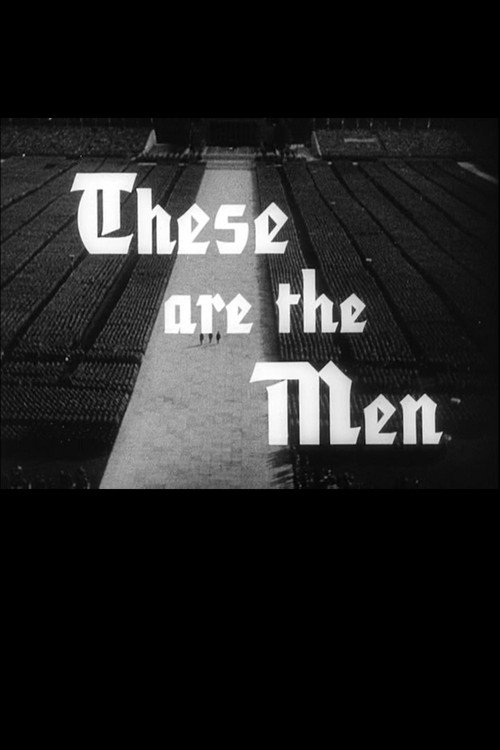
These Are the Men 1943
During World War II, governments around the globe produced compact yet powerful propaganda films to rally support against tyranny. "These Are the Men (1943)" is a striking 12-minute British documentary directed by Alan Osbiston that confronts the rising threat of Nazism head-on.
Director: Alan Osbiston
Cast

Frequently Asked Questions
What is These Are the Men (1943) about?
This 1943 short documentary exposes the dangers of Nazism through stark visuals and compelling narration, aiming to awaken audiences to the threat of fascist ideology during World War II.
Who directed These Are the Men?
Alan Osbiston directed this wartime documentary, known for his work in British propaganda films during the 1940s.
Who stars in These Are the Men?
The film features the voices of Bryan Herbert and James McKechnie, who narrate the documentary's anti-Nazi message.
Is These Are the Men (1943) worth watching?
As a historical propaganda piece, "These Are the Men" offers a fascinating glimpse into wartime messaging and the cultural climate of the era. While short, its bold stance against fascism makes it a compelling watch for film and history enthusiasts.
How long is These Are the Men?
The documentary runs for 12 minutes.
About These Are the Men (1943) — A 12-Minute Anti-Nazi Documentary with Urgent Historical Insight
During World War II, governments around the globe produced compact yet powerful propaganda films to rally support against tyranny. "These Are the Men (1943)" is a striking 12-minute British documentary directed by Alan Osbiston that confronts the rising threat of Nazism head-on. Through sharp visuals and persuasive narration, the film peels back the layers of propaganda to reveal the true face of fascism, urging viewers to recognize its danger before it's too late. With a tone both urgent and somber, it captures the uneasy atmosphere of the era, blending raw historical footage with a message designed to shock and inspire action.
While brief in runtime, the documentary's impact lingers, delivering a clear and unflinching look at the ideological enemy of the time. Bryan Herbert and James McKechnie lend their voices to the project, their distinctive deliveries adding gravitas to the wartime themes. As a snapshot of mid-century propaganda cinema, this film remains a fascinating piece of cultural history, offering insight into how art was weaponized in the fight for democracy.