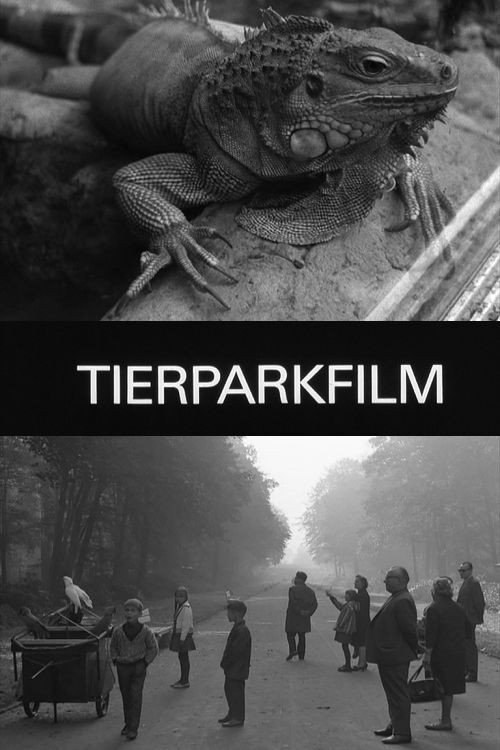
Zoo Film 1968
Dive into the past with *Zoo Film (1968)*, Jürgen Böttcher's striking black-and-white documentary that invites viewers into the heart of Berlin's Tierpark Friedrichsfelde.
Director: Jürgen Böttcher
Frequently Asked Questions
What is *Zoo Film (1968)* about?
*Zoo Film* is a documentary that transports viewers to the Berlin Tierpark Friedrichsfelde, Europe's largest landscape zoo. Shot in striking black and white, it captures the daily lives of animals—hippos, camels, bison, and more—in their carefully designed habitats, all without narration. The film focuses on the interplay between wildlife and environment, offering a candid glimpse into the zoo's sprawling 160-hectare grounds.
Who directed *Zoo Film*?
Jürgen Böttcher directed *Zoo Film*. Known for his documentary work, Böttcher crafts a visually immersive experience that prioritizes raw imagery over narration.
Who stars in *Zoo Film*?
The film features no traditional cast, as it is a documentary centered on the animals of the Berlin Tierpark Friedrichsfelde.
Is *Zoo Film (1968)* worth watching?
*Zoo Film* is a unique and atmospheric short documentary that shines in its minimalist storytelling. The black-and-white visuals and focus on wildlife offer a meditative escape, though its silent approach may not appeal to everyone. It's a niche but rewarding watch for fans of classic documentaries and cinematic simplicity.
How long is *Zoo Film*?
*Zoo Film* runs for 19 minutes.
Zoo Film (1968): A Silent Black-and-White Journey Through Berlin's Tierpark
Dive into the past with *Zoo Film (1968)*, Jürgen Böttcher's striking black-and-white documentary that invites viewers into the heart of Berlin's Tierpark Friedrichsfelde. This 19-minute cinematic journey captures the sprawling 160-hectare landscape, Europe's largest zoo, as it was in the 1960s, showcasing animals in their expansive enclosures and natural habitats. Without a single word of narration, the film lets the vibrant life of hippos lounging in water, parrots soaring overhead, and camels gliding across open terrain take center stage. The absence of commentary creates a meditative, almost poetic atmosphere, where the animals themselves become the storytellers. The stark contrasts of black-and-white cinematography amplify the raw beauty and quiet intensity of these creatures, from bison grazing to kangaroos bounding in their enclosures.
*Zoo Film* is more than a visual record—it's a time capsule of mid-century wildlife preservation and urban nature coexisting. The film's minimalist approach draws viewers into a contemplative state, allowing them to connect deeply with the diversity of life unfolding on screen. Whether you're a documentary enthusiast or a casual viewer, the film's immersive quality and timeless aesthetic make it a standout piece of 1960s cinema that celebrates both the wild and the wonder of discovery.