Sloping Fields 1970
Step into the rugged beauty of rural Poland with *Sloping Fields* (1970), a gripping documentary by Władysław Ślesicki that immerses viewers in the raw, unfiltered life of a remote mountain village.
Director: Władysław Ślesicki
Frequently Asked Questions
What is Sloping Fields (1970) about?
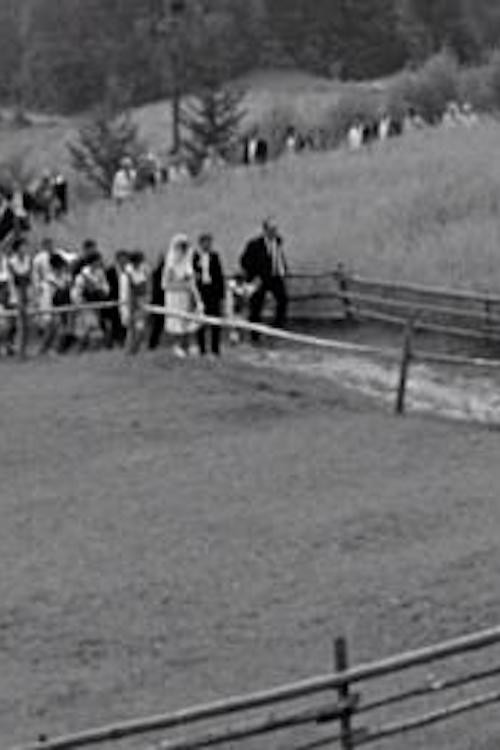
This documentary explores the dual facets of life in a remote Polish mountain village: the lively traditions of a local wedding and the daily struggles of farmers working the sloping fields. It's a snapshot of a community bound by culture and challenged by their environment.
Who directed Sloping Fields?
The film was directed by Władysław Ślesicki, a Polish filmmaker known for his documentaries that delve into rural life and social themes.
Who stars in Sloping Fields?
Director Władysław Ślesicki is the primary creative force behind the film; cast details for this documentary are not listed.
Is Sloping Fields (1970) worth watching?
If you appreciate documentaries that prioritize raw authenticity over polished storytelling, *Sloping Fields* offers a compelling glimpse into a way of life rarely seen in mainstream cinema. Its brevity and focus make it a unique, thought-provoking experience, though it may lack the wider appeal of narrative films.
How long is Sloping Fields?
The runtime of *Sloping Fields* is 21 minutes.
About Sloping Fields (1970) — A Raw Portrait of Rural Polish Life
Step into the rugged beauty of rural Poland with *Sloping Fields* (1970), a gripping documentary by Władysław Ślesicki that immerses viewers in the raw, unfiltered life of a remote mountain village. This 21-minute short film captures the dual essence of tradition and hardship, weaving together the vibrant spectacle of a local wedding with the quiet, relentless labor of farmers tending the land. Against a backdrop of sweeping landscapes and timeworn customs, the documentary paints a poignant portrait of resilience and community in the face of nature's challenges.
Directed with a keen eye for authenticity, *Sloping Fields* transcends mere observation to become a visceral reflection on the human spirit's endurance. The film's stark, documentary style strips away idealism, revealing the gritty realities of rural existence in mid-20th century Poland. With minimal dialogue and maximum atmosphere, it invites audiences to witness a world where joy and toil coexist, leaving a lasting impression of the land and its people.