
Little Rose 2010
In the tense political climate of 1960s Poland, *Little Rose (2010)* by director Jan Kidawa-Błoński unfolds a morally complex tale of surveillance and manipulation.
Director: Jan Kidawa-Błoński
Cast
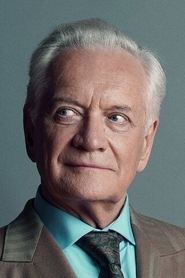
Andrzej Seweryn
Adam Warczewski

Magdalena Boczarska
Kamila Sakowicz
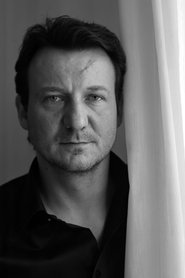
Robert Więckiewicz
Roman Rozek

Jacek Braciak
SB Officer

Grażyna Szapołowska
Roma Żarska

Jan Frycz
Pułkownik Wasiak

Izabela Olszewska
Wajnerowa
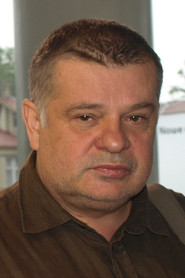
Krzysztof Globisz
Literat
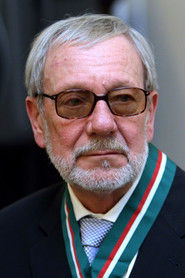
Jerzy Kamas
Prezes PEN-Clubu
Władysław Kowalski
Aktor w "Dziadach"
Frequently Asked Questions
What is Little Rose (2010) about?
Set in 1960s Poland, the film follows Kamila, a woman manipulated into spying on a prominent writer by her controlling lover, a security colonel. As she embeds herself into the writer's life under the codename "Little Rose," her mission tests her loyalties and forces her to confront the moral cost of her actions.
Who directed Little Rose?
Jan Kidawa-Błoński directed *Little Rose (2010)*. Known for his work in Polish cinema, Kidawa-Błoński crafts a gripping narrative steeped in historical tension and personal drama.
Who stars in Little Rose?
The film features a stellar cast including Andrzej Seweryn, Magdalena Boczarska, Robert Więckiewicz, Jacek Braciak, and Grażyna Szapołowska as the key players in this tense political drama.
Is Little Rose (2010) worth watching?
Though not rated on IMDb, *Little Rose (2010)* offers a compelling blend of historical drama and psychological tension. Its themes of betrayal and manipulation make it a thought-provoking watch for fans of Cold War-era films, especially those interested in Polish cinema.
How long is Little Rose?
The runtime of *Little Rose (2010)* is 118 minutes.
🎥 Trailer
About Little Rose (2010) — A Cold War Spy Drama of Betrayal and Deception
In the tense political climate of 1960s Poland, *Little Rose (2010)* by director Jan Kidawa-Błoński unfolds a morally complex tale of surveillance and manipulation. A high-ranking security colonel, struggling to discredit a respected intellectual under communist suspicion, coerces his naive girlfriend Kamila into infiltrating the writer's life under the codename "Little Rose." With unsettling precision, the film explores the erosion of trust, the weight of ideological oppression, and the way personal relationships fracture under state pressure. The story's eerie atmosphere is heightened by its period detail, capturing the quiet dread of a society where loyalty is constantly tested and dissent is met with suspicion.
As Kamila's infiltration deepens, so do the emotional stakes, creating a psychological drama where love and betrayal blur. The film's tension builds with each whispered conversation and coded report, ultimately questioning whether any act of resistance or compliance can escape the shadow of the system. *Little Rose (2010)* is a haunting reflection on power, complicity, and the cost of survival in an era where truth is the first casualty.