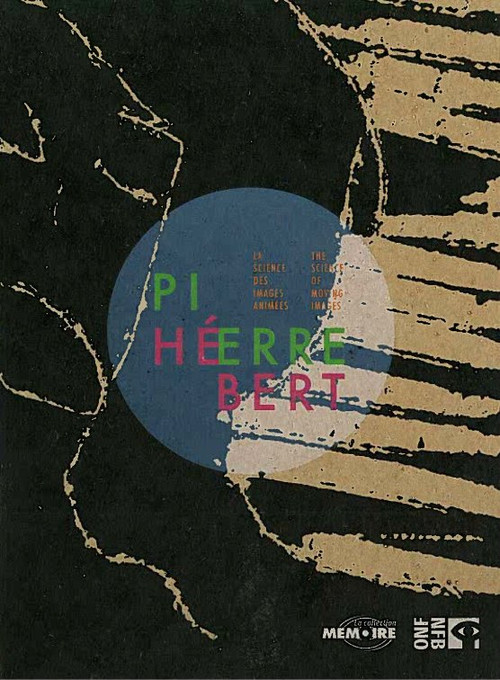
Opus 1 1964
Pierre Hébert's *Opus 1 (1964)* is a mesmerizing five-minute short film that blends abstract visuals with rhythmic soundscapes, showcasing the director's pioneering spirit in experimental animation.
Director: Pierre Hébert
Frequently Asked Questions
What is Opus 1 (1964) about?
*Opus 1* is a non-narrative experimental film that uses abstract animation to create a sensory-rich experience. It focuses on the interplay of sound and visuals, with shifting forms and colors evoking a sense of rhythm and movement without relying on traditional storytelling.
Who directed Opus 1?
*Opus 1* was directed by Pierre Hébert, a visionary in abstract and experimental animation whose work often challenges conventional filmmaking norms.
Who stars in Opus 1?
Cast details for *Opus 1 (1964)* are not publicly listed.
Is Opus 1 (1964) worth watching?
While *Opus 1* is a niche short film with no plot or dialogue, its historical significance and artistic ambition make it a fascinating watch for fans of experimental animation. Its brevity and abstract nature may not appeal to everyone, but it offers a unique glimpse into Pierre Hébert's innovative style.
How long is Opus 1?
*Opus 1 (1964)* has a runtime of 5 minutes.
About Opus 1 (1964) — Pierre Hébert's Abstract Animation Masterpiece Explored
Pierre Hébert's *Opus 1 (1964)* is a mesmerizing five-minute short film that blends abstract visuals with rhythmic soundscapes, showcasing the director's pioneering spirit in experimental animation. Originally crafted in 1964, this avant-garde piece was later remastered in 2007, preserving its raw, hypnotic energy for modern audiences. The film eschews traditional narrative in favor of a purely sensory experience, where shapes, colors, and textures collide in a dance of pure cinema. Its minimalist yet striking approach invites viewers into a meditative state, where the boundaries between sound and image dissolve into a singular, immersive atmosphere.
As a cornerstone of experimental animation, *Opus 1* stands as a testament to Hébert's innovative techniques and his ability to distill complex ideas into a compact yet profound visual statement. The film's 2007 remastering ensures that its intricate details and vibrant dynamism remain intact, offering a fresh glimpse into a groundbreaking work that continues to inspire animators and cinephiles alike.