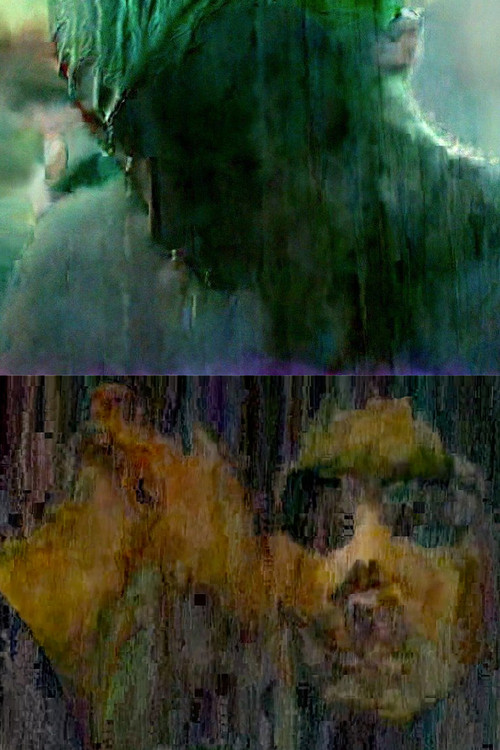
Tears in Rain 2015
Tears in Rain (2015), a haunting two-minute visual poem directed by Jeroen Cluckers, transforms the iconic imagery of Ridley Scott's *Blade Runner* into an ephemeral dance of decay.
Director: Jeroen Cluckers
Frequently Asked Questions
What is Tears in Rain (2015) about?
Tears in Rain reimagines iconic *Blade Runner* stills as an animated meditation on memory and impermanence. The film blends rain-like effects with decomposing digital imagery, tracing the fading traces of two lovers lost to time. It's a fleeting, wordless exploration of fleeting beauty.
Who directed Tears in Rain?
Tears in Rain was directed by Jeroen Cluckers, a filmmaker known for his experimental approach to digital cinema and visual storytelling.
Who stars in Tears in Rain?
Cast details for Tears in Rain (2015) are not publicly available.
Is Tears in Rain (2015) worth watching?
For fans of avant-garde cinema and *Blade Runner* lore, Tears in Rain offers a unique, if brief, experience. Its experimental nature and emotional resonance make it a compelling watch for those who appreciate visual poetry over conventional storytelling.
How long is Tears in Rain?
Tears in Rain (2015) has a runtime of 2 minutes.
About Tears in Rain (2015) — A Haunting 2-Minute Love Story Dissolves in Digital Rain
Tears in Rain (2015), a haunting two-minute visual poem directed by Jeroen Cluckers, transforms the iconic imagery of Ridley Scott's *Blade Runner* into an ephemeral dance of decay. The short film breathes life into still frames of the 1982 sci-fi noir, letting them dissolve under rain-like effects that wash away the frozen memory of two lovers. Stripped of dialogue and narrative, it becomes a meditation on transience, memory, and the poetic erosion of time itself. The glitching visuals and melancholic pace evoke a bittersweet farewell, where pixels and nostalgia blur into one another.
Cluckers' experimental approach strips cinema down to its most elemental form, using *Blade Runner*'s iconic imagery as a canvas for impermanence. The result is less a reinterpretation than a requiem—a fleeting tribute to the fragility of love and the relentless march of progress. Tears in Rain (2015) lingers like a half-remembered dream, challenging viewers to slow down and savor its visual poetry before the final frame fades to black.