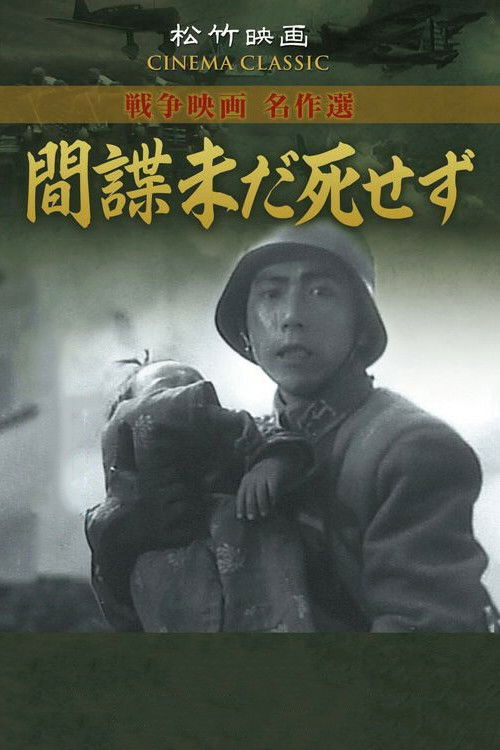
The Spy Has Not Died Yet 1942
Set against the tense backdrop of wartime Japan, *The Spy Has Not Died Yet (1942)* weaves a gripping drama under director Kōzaburō Yoshimura's steady hand.
Director: Kōzaburō Yoshimura
Cast
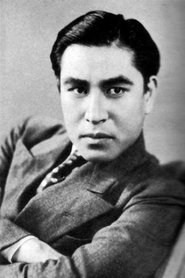
Shin Saburi
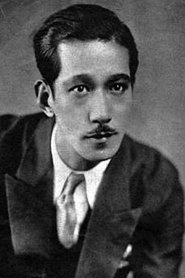
Tatsuo Saitō
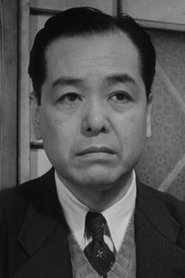
Shinichi Himori
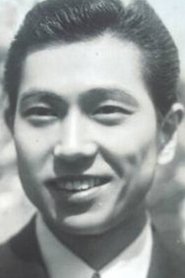
Yasumi Hara

Mitsuko Mito

Michiyo Kogure

Yutaka Mimasu

Ken Uehara
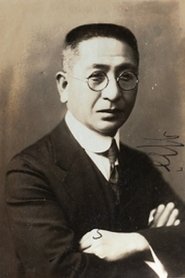
Hideo Fujino
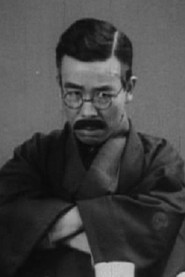
Reikichi Kawamura
Frequently Asked Questions
What is The Spy Has Not Died Yet (1942) about?
This wartime drama follows a dedicated operative entangled in a dangerous mission where loyalty and survival collide. As tensions rise, personal sacrifices and moral dilemmas force him to question the very purpose of his actions.
Who directed The Spy Has Not Died Yet?
The film was directed by Kōzaburō Yoshimura, a master of blending dramatic tension with wartime narratives.
Who stars in The Spy Has Not Died Yet?
The film features standout performances from Shin Saburi, Shinichi Himori, Mitsuko Mito, and Michiyo Kogure, anchoring its emotional core with compelling depth.
Is The Spy Has Not Died Yet (1942) worth watching?
While lacking an IMDb rating, its solid drama-war genre credentials and Yoshimura's direction make it a compelling watch for fans of historical tension and psychological depth. The film's atmosphere and thematic richness reward attentive viewers.
How long is The Spy Has Not Died Yet?
The Spy Has Not Died Yet (1942) runs for 119 minutes, offering a concise yet impactful cinematic experience.
About The Spy Has Not Died Yet (1942) — A Wartime Drama of Courage and Betrayal
Set against the tense backdrop of wartime Japan, *The Spy Has Not Died Yet (1942)* weaves a gripping drama under director Kōzaburō Yoshimura's steady hand. The film follows a determined operative navigating moral ambiguity and personal sacrifice as espionage stakes reach fever pitch. With sharp performances from Shin Saburi and Michiyo Kogure, the story balances psychological depth with the unrelenting pressure of duty. Yoshimura's direction infuses the narrative with a stark, almost poetic realism, where every decision carries the weight of survival.
The atmosphere crackles with urgency, as the protagonist's resolve is tested amid shifting alliances and looming betrayal. Themes of patriotism, identity, and the cost of deception linger long after the final scene. Crafted in an era where cinema often reflected national sentiment, the film stands out for its nuanced portrayal of human conflict beneath the surface of war. A forgotten gem of Japanese drama-war cinema, it offers both historical intrigue and timeless emotional intensity.