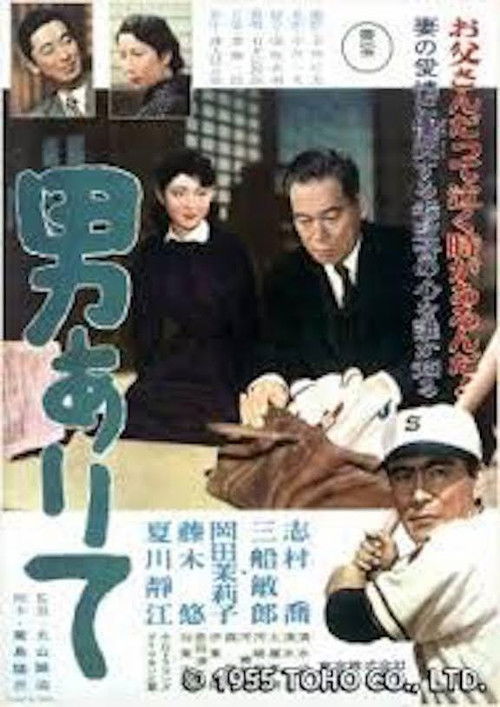
No Time for Tears 1955
Directed by Seiji Maruyama, *No Time for Tears (1955)* blends romance, comedy, and drama into a poignant family tale set against the backdrop of a struggling baseball team.
Director: Seiji Maruyama
Cast
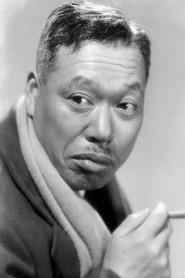
Takashi Shimura
"Sparrows" Coach Shimamura
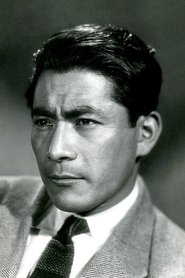
Toshirō Mifune
Mitsuo Yano

Mariko Okada
Michiko

Yū Fujiki
Onishi

Shizue Natsukawa
Kinue
Tateo Kawasaki
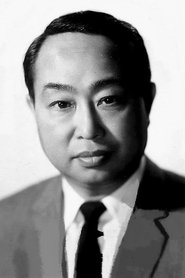
Daisuke Katō

Masao Shimizu
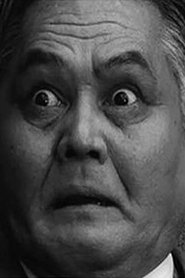
Gen Shimizu

Yoshio Tsuchiya
Frequently Asked Questions
What is No Time for Tears (1955) about?
The film follows Coach Shimamura, whose baseball team finds sudden hope when a talented new pitcher joins. But when the pitcher falls for Shimamura's daughter, their budding romance ignites a storm of pride and heartbreak, pushing the family to their emotional limits. A tragedy later forces Shimamura to face the consequences of his stubbornness.
Who directed No Time for Tears?
Seiji Maruyama directed the film, weaving a story that balances humor, romance, and drama with deft emotional precision.
Who stars in No Time for Tears?
The film features Takashi Shimura, Toshirō Mifune, Mariko Okada, Yū Fujiki, and Shizue Natsukawa in pivotal roles.
Is No Time for Tears (1955) worth watching?
With its blend of family drama and sports, *No Time for Tears* offers a unique lens on 1950s Japan. While IMDb ratings aren't available, its themes and stellar cast make it a compelling watch for fans of character-driven stories and classic cinema.
How long is No Time for Tears?
The film runs for 109 minutes.
About No Time for Tears (1955) — A Heartfelt Drama of Baseball and Family Bonds
Directed by Seiji Maruyama, *No Time for Tears (1955)* blends romance, comedy, and drama into a poignant family tale set against the backdrop of a struggling baseball team. The story follows Coach Shimamura, whose once-stable life unravels when a gifted pitcher joins his hapless Sparrows team—and promptly steals the heart of his daughter Michiko. What begins as a clash of pride and generational tension spirals into personal crisis when a heartbreaking tragedy forces the family to confront their deepest vulnerabilities. Maruyama's delicate balance of humor and heartache creates an atmosphere that's both tender and tense, making this 1955 gem a snapshot of post-war Japan's emotional landscape.
At its core, the film explores the fragility of family bonds and the cost of pride, with Shimamura's stubbornness pushing his relationships to the brink. As Michiko and the pitcher's romance blossoms, the coach's outbursts and growing despair highlight the thin line between control and collapse. The film's themes resonate with anyone who's felt the weight of expectations, wrapped in a narrative that's as much about love's resilience as it is about life's unexpected blows.