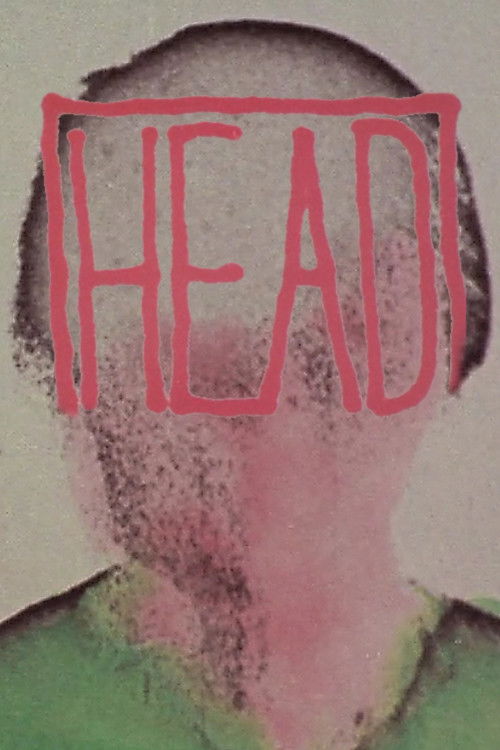
Head 1975
George Griffin's experimental short *Head* (1975) transforms portraiture into a playful, self-reflexive dance between creator and creation.
Director: George Griffin
Frequently Asked Questions
What is Head (1975) about?
George Griffin's *Head* is a playful, visually inventive short that explores the circular relationship between creator and creation. Through layered animation techniques—film, Xerox, drawing, and photography—it examines how images move, mutate, and influence their maker's identity.
Who directed Head?
Head was directed by George Griffin, an experimental animator known for pushing the boundaries of traditional and unconventional animation methods.
Who stars in Head?
Director George Griffin stars in the film, embodying the animator who interacts with his own evolving self-image through various animated forms.
Is Head (1975) worth watching?
Though unrated on IMDb, *Head* is a jewel of 1970s experimental animation—short, witty, and conceptually bold. For fans of avant-garde cinema and animation history, its eleven-minute runtime packs a surprising depth of visual innovation and thematic intrigue.
How long is Head?
Head runs for 11 minutes.
About Head (1975) — A Trickfilm Portrait Where Drawings Shape the Hand That Draws
George Griffin's experimental short *Head* (1975) transforms portraiture into a playful, self-reflexive dance between creator and creation. This eleven-minute animated essay dissolves the line between artist and medium, weaving together film, Xeroxed prints, drawings, and photography to explore how images come alive. Griffin's hand becomes the unseen puppeteer, guiding ink-marked figures and photographic doubles through a hall of mirrors where self-image and artistic control constantly swap places. The result is a mesmerising 'trickfilm' meditation on identity, perception, and the alchemy of motion—less a story than an insider's diary of creation itself.
Visually restless and conceptually rich, *Head* revels in disjunctions between figure and ground, pitting static surfaces against erupting movement. Whether through flickering film frames or Xeroxed ghosts, Griffin dissects the mechanics of animation while simultaneously becoming the subject—his drawings literally shape his own self-representation. The film's brisk runtime belies its encyclopedic ambition, offering a compact but dazzling compendium of animation techniques that still feels ahead of its time decades later. For fans of avant-garde cinema, it's a pocket-sized masterclass in visual wit and self-discovery.
Discover *Head* (1975), a groundbreaking animation that turns the act of creation into a living portrait.