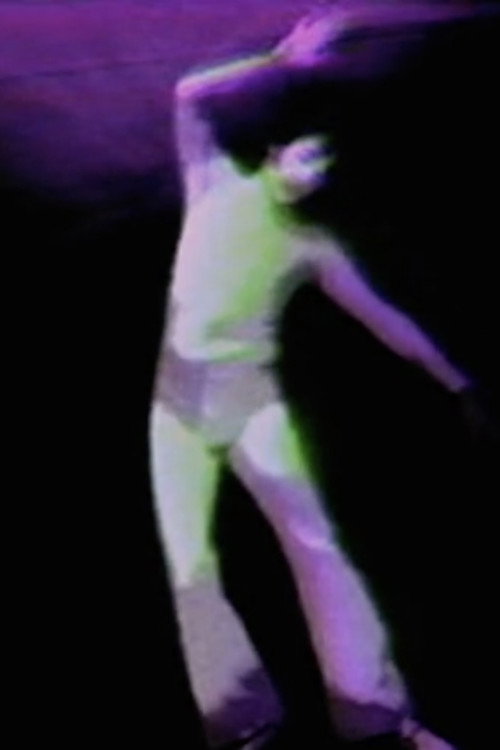
Mime Control 1977
Dive into the avant-garde world of Mime Control (1977), a groundbreaking nine-minute short film directed by pioneer Lillian Schwartz.
Director: Lillian Schwartz
Frequently Asked Questions
What is Mime Control (1977) about?
Mime Control (1977) is a short experimental film where a mime's precise movements are enhanced and distorted using early computer graphics. Directed by Lillian Schwartz, it blends silent performance art with digital manipulation, creating a surreal visual study of facial and bodily expressions.
Who directed Mime Control?
Mime Control (1977) was directed by Lillian Schwartz, a pioneering figure in computer art and experimental filmmaking.
Who stars in Mime Control?
Cast details for Mime Control (1977) are not publicly listed.
Is Mime Control (1977) worth watching?
While Mime Control (1977) may not be a mainstream pick, it's a fascinating time capsule of 1970s experimental cinema. Its blend of mime artistry and early digital effects offers a unique viewing experience for fans of avant-garde filmmaking.
How long is Mime Control?
Mime Control (1977) runs for 9 minutes.
Mime Control (1977): Experimental Tech Meets Mime Art — Full Movie Info
Dive into the avant-garde world of Mime Control (1977), a groundbreaking nine-minute short film directed by pioneer Lillian Schwartz. This experimental piece merges the precision of mime artistry with the cutting-edge lens of early computer technology, transforming disciplined bodily expression into a surreal dance of movement and distortion. Schwartz crafts a mesmerizing visual study, where a silent performer's sharp gestures are accentuated and warped through digital manipulation, creating an eerie yet fascinating exploration of perception. The film's black-and-white aesthetic and experimental techniques evoke a retro-futuristic atmosphere, blending the raw physicality of mime with the abstract possibilities of early digital art.
Mime Control (1977) stands as a fascinating artifact of 1970s experimental cinema, offering a unique fusion of performance art and technological innovation. Schwartz's work challenges conventional storytelling, favoring a hypnotic visual rhythm that lingers long after the credits roll. The film's focus on facial and bodily distortions through lens effects adds a layer of psychological intrigue, making it a must-watch for fans of experimental and art-house cinema. Whether you're drawn to its technical ambition or its surreal charm, this short film is a testament to the boundless creativity of its era.