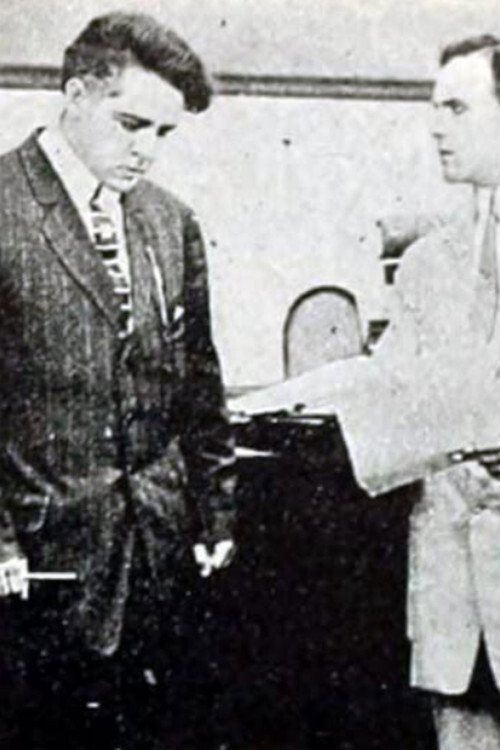
A Doll's House 1911
A Doll's House (1911) is a pioneering work in cinematic storytelling, adapting Henrik Ibsen's play to the screen. Directed by an unknown figure, this early drama follows the themes of social constraints and personal liberation.
Cast
Frequently Asked Questions
What is A Doll's House (1911) about?
A Doll's House (1911) follows the story of a woman trapped in a loveless marriage, exploring the tensions between personal desire and societal duty.
Who directed A Doll's House?
Director information is not available.
Who stars in A Doll's House?
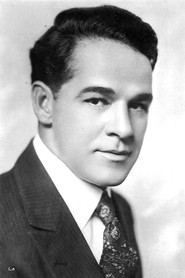
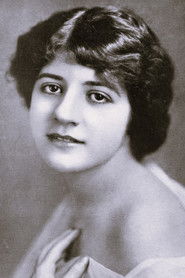
The film features a talented cast, including William Russell, Marie Eline, and Marguerite Snow.
Is A Doll's House (1911) worth watching?
While A Doll's House (1911) may be a relic of the past, its exploration of social constraints and personal liberation continues to resonate with audiences today, making it a compelling watch for film enthusiasts.
How long is A Doll's House?
A Doll's House (1911) has a runtime of 14 minutes.
About A Doll's House (1911) — A Groundbreaking Silent Drama
A Doll's House (1911) is a pioneering work in cinematic storytelling, adapting Henrik Ibsen's play to the screen. Directed by an unknown figure, this early drama follows the themes of social constraints and personal liberation. The 14-minute film features a talented cast, including William Russell, Marie Eline, and Marguerite Snow. As the story unfolds, it raises questions about the roles women play in society and the suffocating nature of patriarchal expectations. With its concise runtime, A Doll's House (1911) presents a thought-provoking commentary on the human condition, inviting viewers to reflect on the complexities of life. This silent film may be a relic of the past, but its influence can still be felt in modern cinema. The cast's performances bring depth and emotion to the narrative, making A Doll's House (1911) a captivating watch for film enthusiasts and those interested in the early days of cinema. The film's brevity belies its impact, as it explores the tensions between personal desire and societal duty. A Doll's House (1911) may be a short film, but its ideas and themes continue to resonate with audiences today. This groundbreaking work not only showcases the early days of film but also highlights the enduring power of Ibsen's writing. The cast's performances add a layer of complexity to the narrative, making A Doll's House (1911) a compelling watch for those interested in drama and social commentary.
The film's concise runtime and lack of dialogue may make it seem like an inaccessible relic, but the cast's performances and the director's vision work together to create a compelling narrative. A Doll's House (1911) is a must-watch for anyone interested in the early days of cinema and the works of Henrik Ibsen. The film's exploration of social constraints and personal liberation continues to resonate with audiences today, making it a timeless classic. This silent drama may be a product of its time, but its themes and ideas remain relevant in modern society.