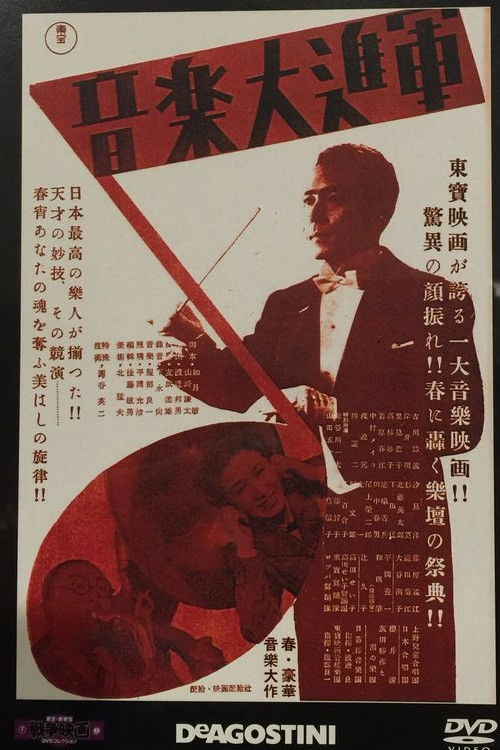
音楽大進軍 1943
Released in the early 1940s, 音楽大進軍 (1943) captures the spirit of resilience and artistic passion through its compelling drama and musical elements.
Director: Kunio Watanabe
Cast
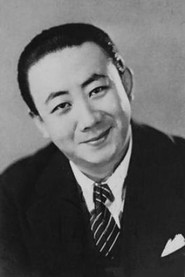
Roppa Furukawa
Rokurota Kurikawa
Akira Kishii
Shinroku Akaiwa
Aiko Satomi
Hansuke's younger sister, Eiko

Taeko Takasugi
Akemi Yamakura

Harue Wakahara
Chiyoko

Meiko Nakamura
Noriko Yano
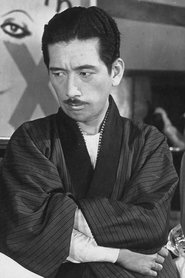
Atsushi Watanabe
Hansuke Yano

Joji Oka
Ryusaku Okakura

Kazuo Hasegawa
Kazuo Hasegawa

Isuzu Yamada
Isuzu Yamada
Frequently Asked Questions
What is 音楽大進軍 (1943) about?
音楽大進軍 (1943) follows a group of dedicated musicians whose passion for music becomes a beacon of hope during a challenging period in history. Their journey intertwines personal struggles with the collective desire to uplift morale through art, creating a poignant reflection on duty and creativity.
Who directed 音楽大進軍?
音楽大進軍 was directed by Kunio Watanabe, a filmmaker known for blending drama with cultural themes in his works during the mid-20th century.
Who stars in 音楽大進軍?
The film features Roppa Furukawa, Akira Kishii, Aiko Satomi, Taeko Takasugi, and Harue Wakahara as its leading performers.
Is 音楽大進軍 (1943) worth watching?
Given its historical significance as a wartime musical drama, 音楽大進軍 (1943) offers a unique glimpse into the role of art during turbulent times. While its style may differ from modern cinema, its themes of perseverance and emotional depth make it a rewarding watch for fans of classic Japanese films.
How long is 音楽大進軍?
音楽大進軍 has a runtime of 76 minutes.
音楽大進軍 (1943): A Wartime Musical Journey — Full Movie Info
Released in the early 1940s, 音楽大進軍 (1943) captures the spirit of resilience and artistic passion through its compelling drama and musical elements. Directed by Kunio Watanabe, this film blends heartfelt storytelling with a rhythmic pulse that reflects the struggles and triumphs of its era. Set against a backdrop of wartime determination, it follows a group of musicians whose unwavering dedication to their craft becomes a metaphor for national perseverance. The film's atmosphere is both nostalgic and stirring, evoking a sense of collective hope while exploring personal sacrifices made in the name of art and duty.
Starring Roppa Furukawa, Akira Kishii, and Aiko Satomi, 音楽大進軍 (1943) showcases performances that breathe life into its historical narrative. The music-driven drama highlights how melodies can uplift spirits and unite communities, even in the face of adversity. With its tight runtime of 76 minutes, this wartime classic delivers a concise yet impactful cinematic experience, making it a fascinating slice of Japanese film history for modern viewers curious about mid-century cultural expressions.