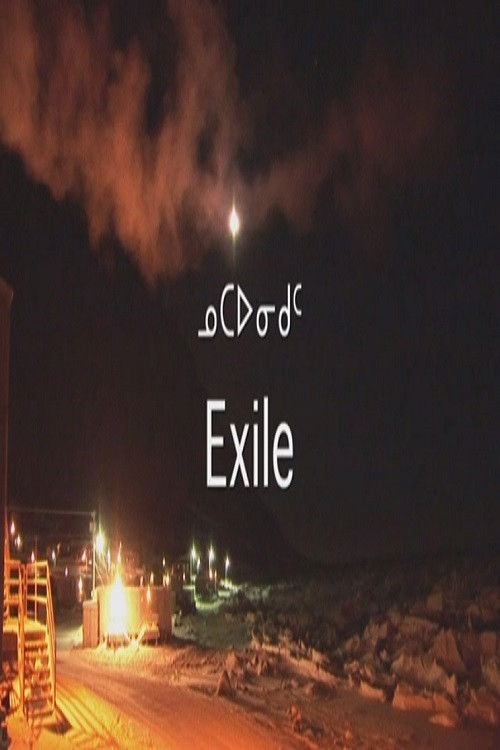
Exile 2009
In the haunting documentary Exile (2009), director Zacharias Kunuk delves into the tragic story of the High Arctic Relocation, a dark chapter in Canadian history.
Director: Zacharias Kunuk
Frequently Asked Questions
What is Exile (2009) about?
The documentary Exile (2009) explores the High Arctic Relocation, a tragic chapter in Canadian history where Inuit families were forcibly relocated to the inhospitable high arctic.
Who directed Exile?
Exile (2009) was directed by the talented Zacharias Kunuk.
Who stars in Exile?
Unfortunately, the cast information for Exile (2009) is not available.
Is Exile (2009) worth watching?
While Exile (2009) may not have a traditional IMDb rating, its thought-provoking themes and powerful storytelling make it a compelling watch for anyone interested in documentary filmmaking or the history of the Inuit people.
How long is Exile?
Exile (2009) has a runtime of 48 minutes.
About Exile (2009) — A Haunting Portrait of the High Arctic Relocation
In the haunting documentary Exile (2009), director Zacharias Kunuk delves into the tragic story of the High Arctic Relocation, a dark chapter in Canadian history. In 1953, the Canadian government forcibly relocated Inuit families to the uninhabited and inhospitable high arctic, tearing families apart and subjecting them to years of hardship. This poignant film sheds light on the Inuit perspective, offering a glimpse into their struggle and resilience in the face of overwhelming adversity.
As we watch the Inuit people adapt to their new surroundings, we are struck by the stark beauty of the arctic landscape and the resilience of the human spirit. With its thought-provoking themes and powerful storytelling, Exile (2009) is a must-see for anyone interested in documentary filmmaking or the history of the Inuit people. Director Zacharias Kunuk's masterful direction brings the viewer into the world of the Inuit, making it impossible to look away from the struggles and triumphs of these remarkable people.