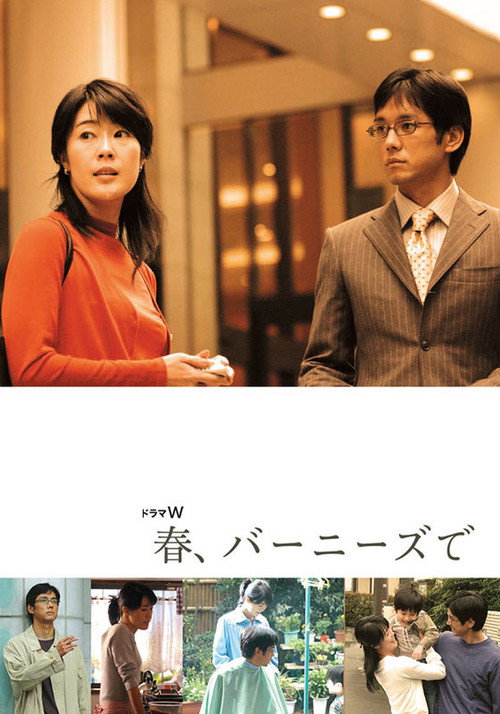
Haru, Bânîzu de 2006
In *Haru, Bânîzu de* (2006), director Jun Ichikawa crafts a poignant slice-of-life drama that explores the quiet disillusionment of Tsutsui, a salaried office worker whose marriage to Hitomi—mother to a young son from a prior relationship—slowly reve...
Director: Jun Ichikawa
Cast








Frequently Asked Questions
What is Haru, Bânîzu de (2006) about?
*Haru, Bânîzu de* follows Tsutsui, a routine-bound office worker who marries Hitomi, a woman with a young son from a previous relationship. What begins as a fresh start gradually reveals a growing sense of emptiness in Tsutsui's life, forcing him to confront the quiet disillusionment hidden beneath his chosen path.
Who directed Haru, Bânîzu de?
The film was directed by Jun Ichikawa, a Japanese filmmaker known for his subtle, introspective storytelling that often explores the complexities of everyday life.
Who stars in Haru, Bânîzu de?
The cast includes Shinobu Terajima as Hitomi, Hidetoshi Nishijima as Tsutsui, and Chiaki Kuriyama in a supporting role, with Mitsuko Baisho, Ken Mitsuishi, and Go Riju rounding out the ensemble.
Is Haru, Bânîzu de (2006) worth watching?
While not flashy or overtly dramatic, *Haru, Bânîzu de* is a thoughtful and atmospheric film that lingers in the mind. Its themes of quiet discontent and the search for meaning offer a rewarding experience for fans of contemplative, character-driven dramas.
How long is Haru, Bânîzu de?
The runtime for *Haru, Bânîzu de* is 102 minutes, a concise yet immersive runtime that balances intimate character moments with broader thematic depth.
Haru, Bânîzu de (2006) — A Quiet Drama About Love, Loss, and the Search for Meaning
In *Haru, Bânîzu de* (2006), director Jun Ichikawa crafts a poignant slice-of-life drama that explores the quiet disillusionment of Tsutsui, a salaried office worker whose marriage to Hitomi—mother to a young son from a prior relationship—slowly reveals an unspoken hollowness in his life. The film unfolds with a contemplative atmosphere, blending the mundane routines of domestic life with subtle undercurrents of yearning. As Tsutsui grapples with the gulf between expectation and reality, Ichikawa's sensitive direction and the restrained performances of his cast illuminate the fragility of modern relationships and the elusive nature of fulfillment.
This 102-minute Japanese drama lingers in the mind long after the credits roll, offering a reflective meditation on compromise, identity, and the quiet crises that simmer beneath the surface of ordinary existence. With its delicate balance of melancholy and hope, *Haru, Bânîzu de* is a film that resonates with anyone who has ever questioned the path they've chosen.