ULTRA II 1982
ULTRA II (1982) plunges deep into the unsettling underbelly of 1980s counterculture with a raw, unfiltered documentary approach.
Frequently Asked Questions
What is ULTRA II (1982) about?
ULTRA II is a 25-minute underground documentary that blends disturbing content—noise, medical procedures, and true-crime interviews—into a confrontational video magazine. It explores infamous criminals like Charles Manson and Peter Sutcliffe alongside gritty urban reports from 1982 London.
Who directed ULTRA II?
Director information is not available.
Who stars in ULTRA II?
The film features interviews with infamous figures such as members of the Manson Family, Peter Sutcliffe, and figures tied to the Whitehouse LP tracks and RAMLEH.
Is ULTRA II (1982) worth watching?
ULTRA II is a niche title best suited for fans of gritty, exploitative documentaries. Its unrated status and extreme content make it polarizing, but it offers a unique glimpse into 1980s shock culture. Whether it's 'worth it' depends entirely on your tolerance for disturbing visuals and themes.
How long is ULTRA II?
ULTRA II runs approximately 25 minutes.
ULTRA II (1982) — A Shocking 1980s Underground Documentary Explored
ULTRA II (1982) plunges deep into the unsettling underbelly of 1980s counterculture with a raw, unfiltered documentary approach. Directed by an anonymous filmmaker, this 25-minute video magazine collides noise, shock value, and medical intrigue against a backdrop of infamous true-crime figures. The film weaves together eerie interviews with the Manson Family, unsettling LP tracks, disturbing medical footage, and grim reports on crimes like the Yorkshire Ripper's trial and London's 1982 sex trade. Atmospheric and confrontational, it blends exploitation sensibilities with a grim fascination for the macabre, creating a document that's as uncomfortable as it is compelling.
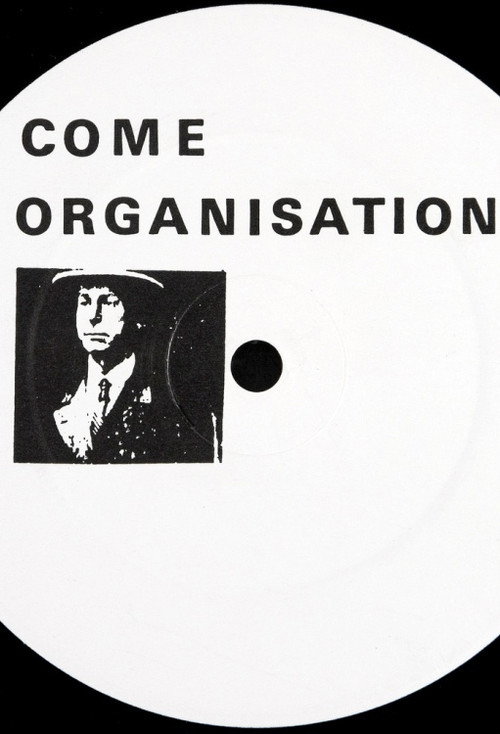
A product of the Come Organization label, ULTRA II doesn't just document—it immerses. Through distorted audio, graphic visuals, and unfiltered interviews, the film captures an era where transgression was currency. Themes of violence, societal decay, and the allure of infamy pulse beneath its abrasive surface, making it less a traditional documentary and more a visceral time capsule of shock culture in the early 1980s. For those drawn to fringe cinema, it's a provocative, if polarizing, experience.