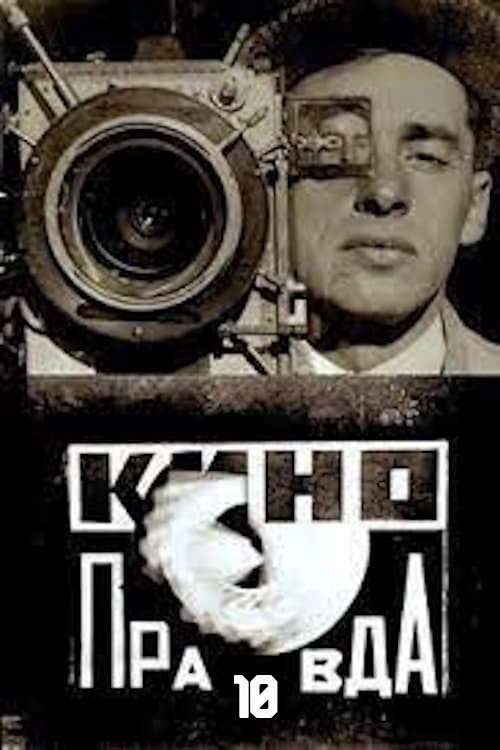
Kino-Pravda No. 10 1922
Kino-Pravda No. 10 (1922) delivers a raw, electrifying snapshot of early Soviet life, blending propaganda with groundbreaking documentary techniques.
Director: Dziga Vertov
Frequently Asked Questions
What is Kino-Pravda No. 10 (1922) about?
This Soviet documentary captures the spirit of International Youth Day protests, showcases the All-Russian Olympiad's athletic fervor, and documents the industrial progress of a Petrograd factory assembling automobiles. A streetcar collision adds a dramatic counterpoint to these scenes of progress.
Who directed Kino-Pravda No. 10?
Dziga Vertov, the Soviet filmmaker and pioneer of documentary cinema, directed Kino-Pravda No. 10. His revolutionary techniques in editing and framing would later influence generations of filmmakers.
Who stars in Kino-Pravda No. 10?
Cast information for Kino-Pravda No. 10 (1922) is not available, as this was a documentary featuring real-life events and participants rather than professional actors.
Is Kino-Pravda No. 10 (1922) worth watching?
As a 16-minute silent documentary, Kino-Pravda No. 10 offers a fascinating glimpse into early Soviet society and Vertov's innovative filmmaking. While it may not appeal to modern audiences seeking entertainment, it's a must-watch for film history enthusiasts and those interested in the roots of documentary cinema.
How long is Kino-Pravda No. 10?
Kino-Pravda No. 10 runs for 16 minutes.
About Kino-Pravda No. 10 (1922) — Dziga Vertov's Revolutionary Snapshot of Early Soviet Life
Kino-Pravda No. 10 (1922) delivers a raw, electrifying snapshot of early Soviet life, blending propaganda with groundbreaking documentary techniques. Directed by Dziga Vertov, this 16-minute masterpiece captures the energy of International Youth Day protests alongside industrial progress in Petrograd. From the fervor of mass demonstrations to the mechanical heartbeat of a factory assembling automobiles, Vertov's lens documents both human spirit and technological ambition. The film's montage style and unflinching realism create a gritty, immersive atmosphere, offering a window into 1920s Soviet culture.
Vertov's experiment in cinematic truth shines through in his portrayal of ordinary citizens, from athletes competing in the All-Russian Olympiad to workers shaping the future. The inclusion of a streetcar collision adds a jarring contrast, grounding the film's idealism in the realities of urban life. Kino-Pravda No. 10 (1922) is more than a historical artifact—it's a manifesto of Soviet modernity, where ideology and innovation collide under Vertov's visionary direction.