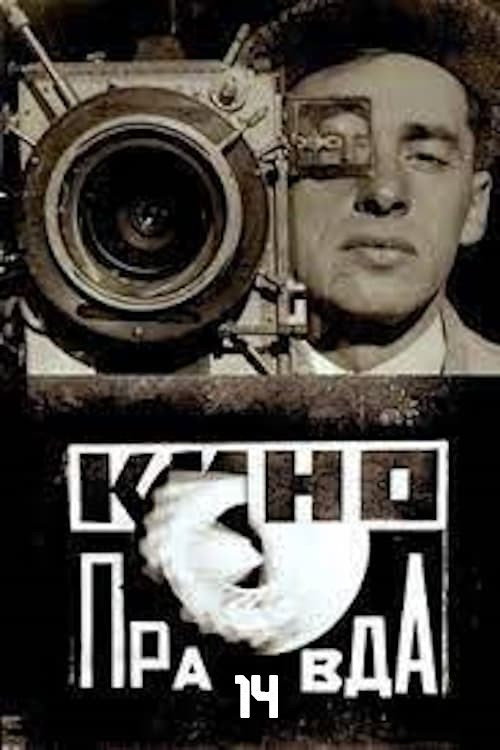
Kino-Pravda No. 14 1923
Released in 1923, *Kino-Pravda No. 14* is a gripping Soviet documentary directed by the visionary Dziga Vertov, a pioneer of avant-garde cinema.
Director: Dziga Vertov
Cast
Frequently Asked Questions
What is Kino-Pravda No. 14 (1923) about?
This documentary captures the IV Congress of the Comintern and the Congress of the Profintern, documenting pivotal moments in the early Soviet Union's political landscape. Filmed in 1923, it offers a firsthand look at the ideological debates and alliances forming among global communist leaders.
Who directed Kino-Pravda No. 14?
Dziga Vertov, a Soviet filmmaker and theorist, directed *Kino-Pravda No. 14*. Known for his radical approach to documentary filmmaking, Vertov's work revolutionized the genre with its emphasis on truth and visual poetry.
Who stars in Kino-Pravda No. 14?
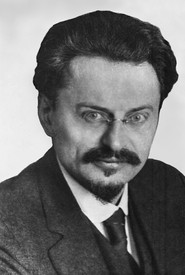
The film prominently features Leon Trotsky among its historical cast, alongside other key figures from the Comintern and Profintern gatherings.
Is Kino-Pravda No. 14 (1923) worth watching?
While *Kino-Pravda No. 14* isn't rated on IMDb, its historical significance and Vertov's innovative techniques make it a fascinating watch for fans of documentary cinema and Soviet history. Its 14-minute runtime is packed with raw, documentary power.
How long is Kino-Pravda No. 14?
The runtime is 14 minutes.
About Kino-Pravda No. 14 (1923) — Dziga Vertov's Documentary on the Comintern Congresses
Released in 1923, *Kino-Pravda No. 14* is a gripping Soviet documentary directed by the visionary Dziga Vertov, a pioneer of avant-garde cinema. This 14-minute newsreel captures the intensity of the IV Congress of the Comintern and the Congress of the Profintern, offering a raw, unfiltered glimpse into the political and ideological fervor of the era. The film's stark, unadorned visuals and dynamic editing reflect Vertov's commitment to documentary realism, blending historical documentation with cinematic innovation. Set against the backdrop of post-revolutionary Russia, the documentary immerses viewers in the charged atmosphere of early Soviet gatherings, where global communist movements converged to shape the future. Vertov's experimental techniques lend the film a timeless quality, making it a compelling study of both history and filmmaking craft.
As part of the *Kino-Pravda* series, *No. 14* stands out for its focus on pivotal international gatherings, featuring appearances by prominent figures like Leon Trotsky. The film's urgency and immediacy—captured in grainy, documentary-style footage—paint a vivid portrait of a world in flux. For cinephiles and historians alike, Vertov's work remains a masterclass in blending propaganda with groundbreaking visual storytelling, offering a window into the revolutionary spirit of the 1920s.