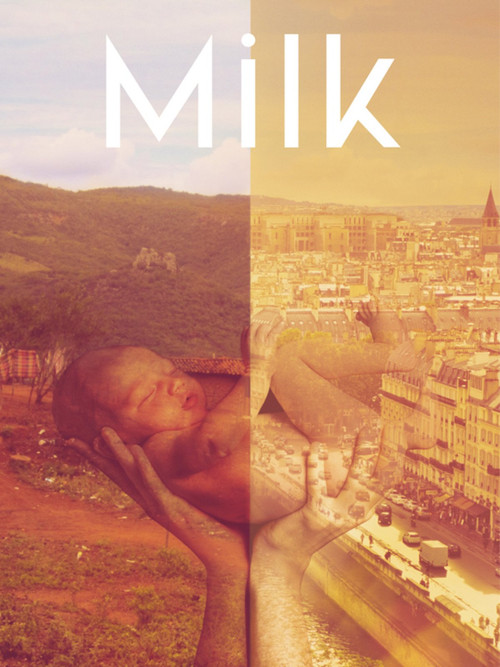
Milk 2015
"The Politics of Infant Feeding"
Milk (2015) dives into the complex world of infant feeding, uncovering the politics and commercial forces shaping one of life's most natural acts.
Director: Noemi Weis
Cast
Frequently Asked Questions
What is Milk (2015) about?
Milk (2015) explores the controversies and commercial pressures surrounding infant feeding, from breast milk to formula. The film examines how politics, health trends, and cultural expectations intersect to shape this deeply personal choice for parents worldwide.
Who directed Milk?
Milk was directed by Noemi Weis, who brings a unique blend of investigative rigor and artistic sensitivity to the documentary's socially relevant themes.
Who stars in Milk?
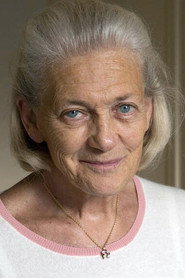
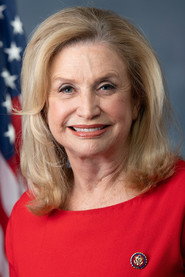
The documentary features prominent voices like Élisabeth Badinter, Carolyn Maloney, Jack Newman, and Ines Fernandez, alongside global perspectives on infant feeding.
Is Milk (2015) worth watching?
As a well-crafted documentary, Milk offers a thought-provoking look at a topic often taken for granted. While it may not appeal to all audiences, its blend of stunning visuals and important social commentary makes it a worthwhile watch for those interested in health, ethics, and societal norms.
How long is Milk?
Milk has a runtime of 91 minutes.
About Milk (2015) — A documentary revealing the hidden politics of infant feeding
Milk (2015) dives into the complex world of infant feeding, uncovering the politics and commercial forces shaping one of life's most natural acts. Directed by Noemi Weis, this documentary weaves together artistic visuals with powerful global voices, exploring the controversy surrounding breast versus formula feeding. With a runtime of 91 minutes, it blends investigative journalism with intimate storytelling, challenging societal norms and sparking conversations about health, ethics, and tradition.
Through stunning cinematography and thought-provoking interviews, Milk (2015) examines how cultural, economic, and political factors influence infant feeding practices. The film's evocative approach captures both the beauty and tension of this universal experience, making it a compelling watch for anyone interested in the intersections of public health and human rights.