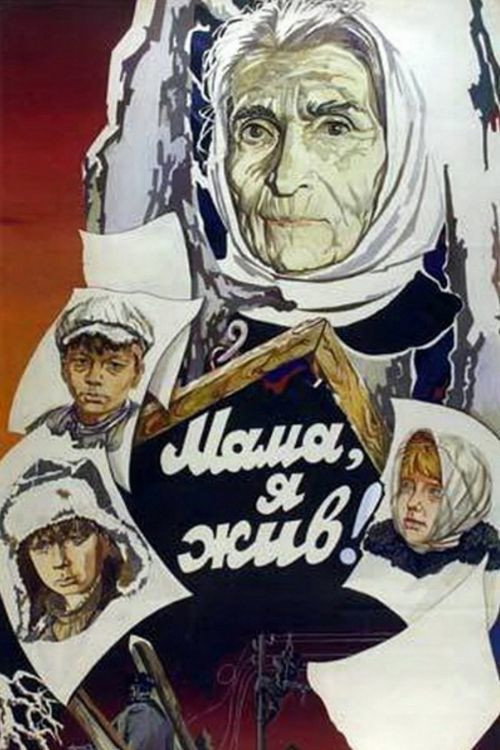
Mama, I'm Alive 1985
Set against the brutal backdrop of World War II, Mama, I'm Alive (1985) tells the harrowing story of young lives caught in the crossfire of war.
Director: Igor Dobrolyubov
Cast



Frequently Asked Questions
What is Mama, I'm Alive (1985) about?
Mama, I'm Alive follows a group of children in 1943 Belarus who are forced to join a partisan detachment in the forest during World War II. The film explores their struggle to survive while maintaining their humanity and connection to family.
Who directed Mama, I'm Alive?
The film was directed by Igor Dobrolyubov, who brings a sensitive lens to this wartime coming-of-age story.
Who stars in Mama, I'm Alive?
The cast includes Gennadiy Davydko, Stefaniya Stanyuta, Anatoliy Terpitskiy, Valeri Filatov, and Yuri Kukharyonok in key roles.
Is Mama, I'm Alive (1985) worth watching?
At 72 minutes, this unrated war drama delivers an intense, emotional experience. Its focus on children's wartime experiences and family themes makes it compelling for fans of historical dramas, though its Soviet-era production values may appeal to specific audiences.
How long is Mama, I'm Alive?
The film runs for 72 minutes.
About Mama, I'm Alive (1985) — War Drama Through Children's Eyes
Set against the brutal backdrop of World War II, Mama, I'm Alive (1985) tells the harrowing story of young lives caught in the crossfire of war. Directed by Igor Dobrolyubov, this Soviet drama follows a group of children in 1943 who are thrust into the harsh reality of partisan warfare deep within the Belarusian forests. Stripped of their childhood innocence, these young souls must navigate survival while clinging to fragments of family and hope.
The film features powerful performances from Gennadiy Davydko, Stefaniya Stanyuta, Anatoliy Terpitskiy, Valeri Filatov, and Yuri Kukharyonok. Mama, I'm Alive masterfully blends war, family drama, and human resilience into a moving portrait of endurance. At just 72 minutes, the runtime intensifies the emotional impact, delivering a concentrated dose of wartime hardship and the unbreakable bonds between children facing impossible circumstances.
This lesser-known gem from Soviet cinema offers a unique perspective on WWII through the eyes of its youngest victims. The forest setting creates an atmosphere of both danger and sanctuary, while the themes of loss, survival, and maternal love resonate throughout the compact narrative.