
River Without a Bridge 1969
Directed by Tadashi Imai, *River Without a Bridge (1969)* immerses viewers in the harsh realities faced by two brothers, Koji and Seitaro Hatana, who belong to the despised "outcast" caste of Japanese society.
Director: Tadashi Imai
Cast



Frequently Asked Questions
What is River Without a Bridge (1969) about?
The film follows brothers Koji and Seitaro Hatana, who face relentless prejudice due to their status in the "outcast" caste. Their journey from oppression to activism highlights the fight for human rights in a rigidly stratified society.
Who directed River Without a Bridge?
Tadashi Imai directed *River Without a Bridge*, known for his poignant storytelling and contributions to Japanese drama.
Who stars in River Without a Bridge?
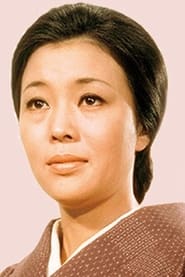
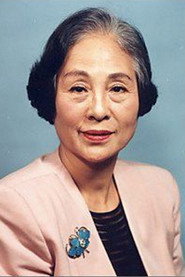
The film features standout performances from Tanie Kitabayashi, Aiko Nagayama, and Yūnosuke Itō, among others.
Is River Without a Bridge (1969) worth watching?
Though unrated, its gripping themes of justice and resilience make it a compelling watch for fans of historical dramas. The emotional depth and strong performances elevate its impact, despite its age.
How long is River Without a Bridge?
The runtime of *River Without a Bridge* is 127 minutes.
About River Without a Bridge (1969) — A Powerful Drama of Caste Discrimination and Human Rights
Directed by Tadashi Imai, *River Without a Bridge (1969)* immerses viewers in the harsh realities faced by two brothers, Koji and Seitaro Hatana, who belong to the despised "outcast" caste of Japanese society. Despite their intelligence and integrity, the brothers confront relentless discrimination that stifles their ambitions. Their story becomes a powerful testament to resilience as they join forces with fellow outcasts to demand basic human rights. The film blends drama with historical weight, painting a vivid portrait of social injustice and the struggle for equality.
Set against a backdrop of societal oppression, *River Without a Bridge* weaves themes of dignity and perseverance into its narrative. The atmosphere is both somber and hopeful, as the characters' quiet determination contrasts with the systemic barriers they face. With a stellar cast led by Tanie Kitabayashi and Aiko Nagayama, the movie captures the emotional and physical toll of caste discrimination, making it a poignant exploration of identity and justice.