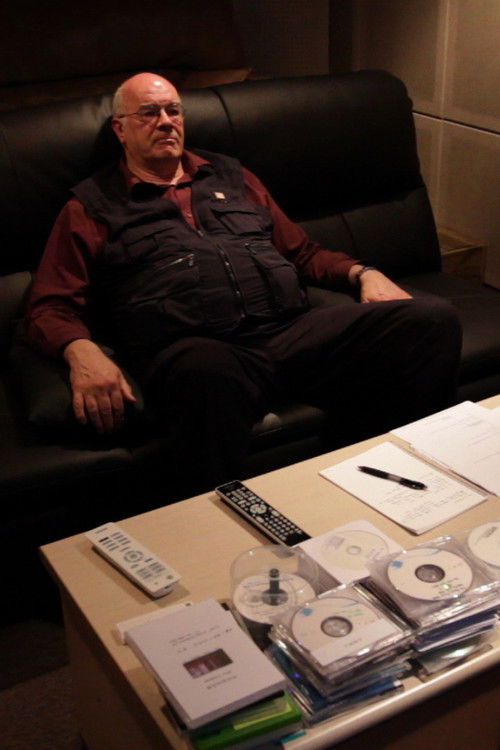
Tony Rayns, the Not-So-Distant Observer 2012
Step into the world of "Tony Rayns, the Not-So-Distant Observer" (2012), a heartfelt documentary that celebrates the profound influence of legendary film critic Tony Rayns on Korean cinema.
Director: Seo Won-tae
Cast




Frequently Asked Questions
What is Tony Rayns, the Not-So-Distant Observer (2012) about?
This documentary delves into the life and legacy of film critic Tony Rayns, showcasing his deep connection with Korean cinema. Through interviews with renowned directors like Lee Chang-dong and Bong Joon Ho, the film highlights Rayns' role in championing Korean films on the world stage.
Who directed Tony Rayns, the Not-So-Distant Observer?
The film was directed by Seo Won-tae, a filmmaker known for his work in documentary and cultural storytelling.
Who stars in Tony Rayns, the Not-So-Distant Observer?
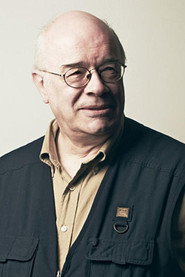
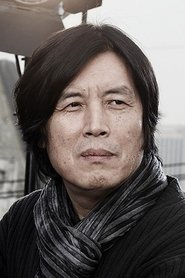
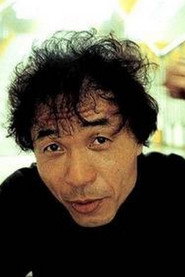
The documentary features Tony Rayns alongside prominent Korean directors such as Lee Chang-dong, Bong Joon Ho, Jang Sun-woo, and Park Ki-yong.
Is Tony Rayns, the Not-So-Distant Observer (2012) worth watching?
For anyone interested in the history of Korean cinema or the art of film criticism, this documentary is absolutely worth watching. At just 56 minutes, it packs a punch with its intimate interviews and rich cultural insights, offering a unique perspective on the films we love.
How long is Tony Rayns, the Not-So-Distant Observer?
The documentary runs for 56 minutes.
About Tony Rayns, the Not-So-Distant Observer (2012) — A documentary celebrating film criticism's impact on Korean cinema
Step into the world of "Tony Rayns, the Not-So-Distant Observer" (2012), a heartfelt documentary that celebrates the profound influence of legendary film critic Tony Rayns on Korean cinema. Directed by Seo Won-tae, this 56-minute film unfolds through candid conversations with some of South Korea's most iconic filmmakers, including Lee Chang-dong, Bong Joon Ho, Jang Sun-woo, and Park Ki-yong. Their reflections paint a vivid portrait of Rayns' decades-long passion for uncovering hidden cinematic gems and nurturing international appreciation for Korean films. The documentary blends archival insights with a warm, nostalgic atmosphere, making it a must-watch for cinephiles eager to explore the intersections of criticism and creativity.
At its core, the film isn't just a tribute—it's a living dialogue about the power of storytelling and the role of critics in shaping cultural landscapes. Through intimate interviews and behind-the-scenes anecdotes, it captures Rayns' enduring legacy as a bridge between Korean cinema and global audiences. Whether you're a seasoned fan or new to the genre, this short but impactful documentary offers a rare glimpse into the minds behind some of cinema's most compelling works.