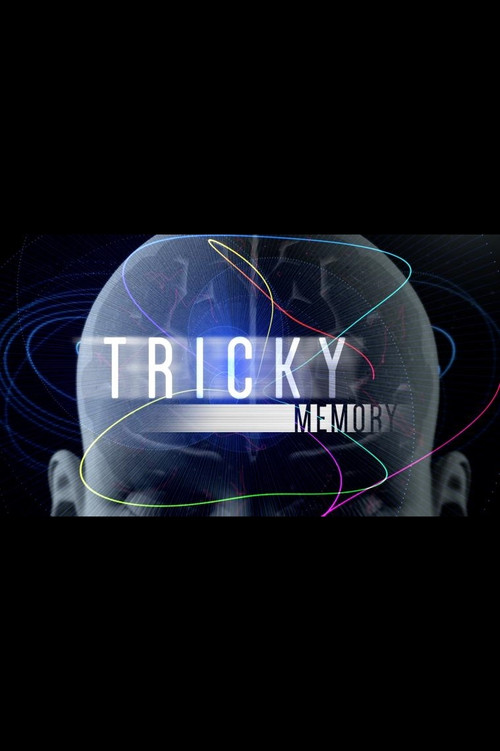
Tricky Memory 2016
"Memory is not a photobook where your images of the past are kept faithfully recorded."
In *Tricky Memory (2016)*, director Raphaël Hitier explores the fragile nature of human memory through the lens of cutting-edge neuroscience.
Director: Raphaël Hitier
Cast
Frequently Asked Questions
What is *Tricky Memory* (2016) about?
*Tricky Memory* examines how false memories, déjà vu, and neurological interference distort our recollections of the past. It highlights how recalling memories can alter them, raising ethical questions about trust in personal and legal testimonies.
Who directed *Tricky Memory*?
The film was directed by Raphaël Hitier, a filmmaker known for exploring complex themes through documentary storytelling.
Who stars in *Tricky Memory*?
The documentary features insights from neuroscientists and psychologists alongside commentary by Anna Flori-Lamour, who guides the exploration of memory's unreliability.
Is *Tricky Memory* (2016) worth watching?
As a thought-provoking documentary, *Tricky Memory* offers valuable insights into neuroscience and human cognition. While not a mainstream thriller, its unsettling revelations about memory make it compelling for fans of science and psychology documentaries.
How long is *Tricky Memory*?
The runtime for *Tricky Memory* is 54 minutes.
About Tricky Memory (2016) — How Reliable Is Your Memory?
In *Tricky Memory (2016)*, director Raphaël Hitier explores the fragile nature of human memory through the lens of cutting-edge neuroscience. This documentary delves into how our recollections are constantly reshaped by recall, distortion, and manipulation—even during simple daily interactions.
What makes *Tricky Memory* so unsettling is its revelation that our minds can't be trusted, even in critical moments like courtroom testimonies. Through interviews and scientific insights, the film questions the reliability of memory itself. With its eerie atmosphere and thought-provoking themes, it challenges viewers to reconsider what they think they know about their own past.