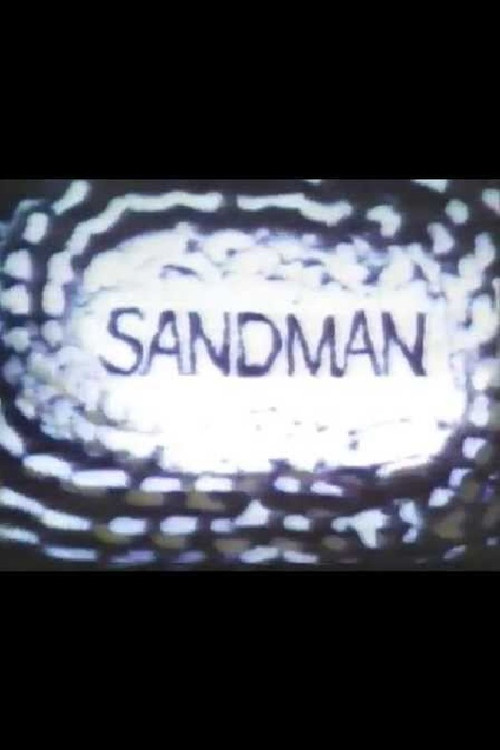
Sandman 1973
Dive into the mesmerizing world of *Sandman (1973)*, a groundbreaking stop-motion animated short where characters fluidly transform into objects and into one another, all through the magic of sand animation.
Director: Eliot Noyes
Frequently Asked Questions
What is Sandman (1973) about?
*Sandman (1973)* is a stop-motion animated short where characters seamlessly morph into objects and even into one another, all achieved through sand animation. The film unfolds like a dream, with no dialogue but plenty of visual poetry, leaving viewers to interpret its shifting forms and rhythms.
Who directed Sandman?
Director information is not available.
Who stars in Sandman?
Cast details for *Sandman (1973)* are not listed.
Is Sandman (1973) worth watching?
As a short film with a runtime of just four minutes, *Sandman (1973)* is best appreciated by fans of experimental animation and avant-garde cinema. While it lacks a traditional plot, its hypnotic visuals and unique technique make it a fascinating watch for those curious about art-house animation.
How long is Sandman?
The runtime for *Sandman (1973)* is 4 minutes.
About Sandman (1973) — A Stop-Motion Sand Animation Masterpiece
Dive into the mesmerizing world of *Sandman (1973)*, a groundbreaking stop-motion animated short where characters fluidly transform into objects and into one another, all through the magic of sand animation. Directed by Eliot Noyes, this four-minute film is a surreal visual journey that blends simplicity with hypnotic movement, creating an atmosphere that feels both dreamlike and tactile. The genre-defying approach makes it a standout piece in experimental animation, appealing to fans of avant-garde cinema and stop-motion artistry alike.
Eliot Noyes' *Sandman (1973)* is a masterclass in minimalism, using nothing more than sand and light to craft a narrative without words. The film's themes revolve around transformation, fluidity, and the ephemeral nature of identity, all wrapped in a hypnotic rhythm that lingers long after the credits roll. Though brief, its impact is undeniable, offering a unique viewing experience that challenges conventional storytelling.