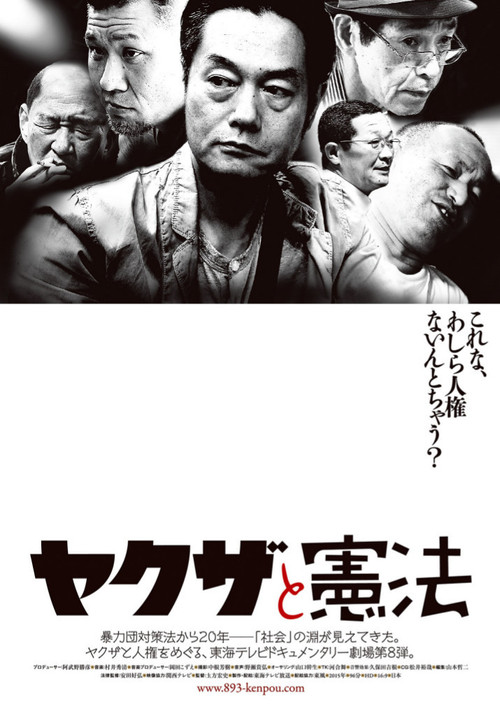
Yakuza and Constitution 2016
Koji Hijikata's *Yakuza and Constitution* (2016) strips away the sensationalism to offer a raw, intimate look at Japan's shrinking underworld.
Director: Koji Hijikata
Frequently Asked Questions
What is *Yakuza and Constitution* (2016) about?
This documentary-drama examines the collapse of Japan's Yakuza syndicates under tightening laws, following former members as they navigate a world stripped of their former power. It's less about crime and more about survival and identity in the shadows of legal reform.
Who directed *Yakuza and Constitution*?
Koji Hijikata directs this powerful exploration of Japan's underworld, blending documentary realism with dramatic storytelling.
Who stars in *Yakuza and Constitution*?
Director information is not available.
Is *Yakuza and Constitution* (2016) worth watching?
If you're drawn to thought-provoking crime documentaries that prioritize humanity over action, this film delivers. While it lacks a star-studded cast, its unfiltered perspective and social depth make it a standout in the genre.
How long is *Yakuza and Constitution*?
The runtime is 96 minutes (1 hour 36 minutes).
🎥 Trailer
Yakuza and Constitution (2016): A Hard Look at Japan's Underworld After the Fall
Koji Hijikata's *Yakuza and Constitution* (2016) strips away the sensationalism to offer a raw, intimate look at Japan's shrinking underworld. This documentary-drama hybrid dives deep into the lives of Yakuza members grappling with existential questions after the Anti-Boryokudan Act and exclusion ordinances slashed their ranks to under 60,000. With 20,000 walking away in three years alone, the film explores the human cost behind the numbers—how former kingpins rebuild shattered identities, confront moral dilemmas, and fight for basic rights in a society that often denies them dignity. Through unflinching close-ups and candid interviews, Hijikata captures the quiet desperation and fleeting humanity of a world in freefall.
Against a backdrop of neon-lit back alleys and cramped living rooms, *Yakuza and Constitution* challenges the viewer to see beyond the stereotypes. The director's lens doesn't glorify nor condemn; instead, it lingers on the fractures—lost livelihoods, fractured families, and the psychological toll of reinvention. The atmosphere is tense yet reflective, blending the grit of crime drama with the introspection of a social commentary. For anyone curious about the real faces behind the headlines, this is a rare glimpse into an unseen Japan.