
The Call to Spring 1978
Set in 18th century Slovenia, under the Habsburg dynasty's rule, The Call to Spring (1978) unfolds as a gripping drama that explores the complexities of power and resistance.
Director: France Štiglic
Cast



Frequently Asked Questions
What is The Call to Spring (1978) about?
The film is set in 18th century Slovenia, where soldiers attempt to suppress the Shrovetide carnival, resulting in the loss of two young lives.
Who directed The Call to Spring?
The Call to Spring was directed by France Štiglic, a notable figure in Slovenian cinema.
Who stars in The Call to Spring?
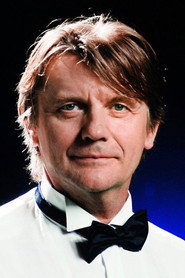
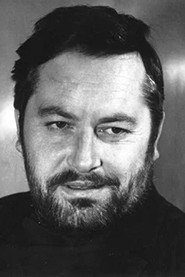
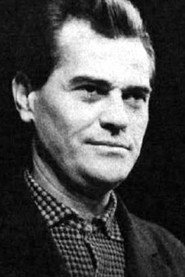
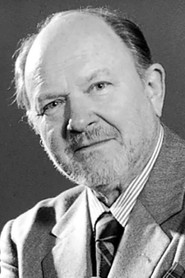
The cast of The Call to Spring includes Zvezdana Mlakar, Radko Polič, Zvone Agrež, and Zvone Hribar.
Is The Call to Spring (1978) worth watching?
While The Call to Spring (1978) may not have the highest IMDb rating, its powerful themes and historical significance make it a worthwhile watch for fans of drama and those interested in exploring lesser-known films.
How long is The Call to Spring?
The Call to Spring has a runtime of 90 minutes.
About The Call to Spring (1978) — A Gripping Historical Drama Unfolds
Set in 18th century Slovenia, under the Habsburg dynasty's rule, The Call to Spring (1978) unfolds as a gripping drama that explores the complexities of power and resistance. Director France Štiglic masterfully weaves a tale of two young lives lost in a brutal confrontation between soldiers and carnival-goers. The film's stark, historical backdrop is brought to life by a talented cast, including Zvezdana Mlakar, Radko Polič, and Zvone Agrež, who deliver nuanced performances that add depth to the narrative. As the soldiers attempt to suppress the Shrovetide carnival, the film raises important questions about the cost of freedom and the human spirit's capacity for resilience.
With its powerful themes and evocative atmosphere, The Call to Spring (1978) is a thought-provoking watch that will appeal to fans of historical dramas and those interested in exploring lesser-known cinematic gems. This poignant film is a testament to the enduring power of art to capture the essence of human experience and to challenge our perspectives on the world around us.