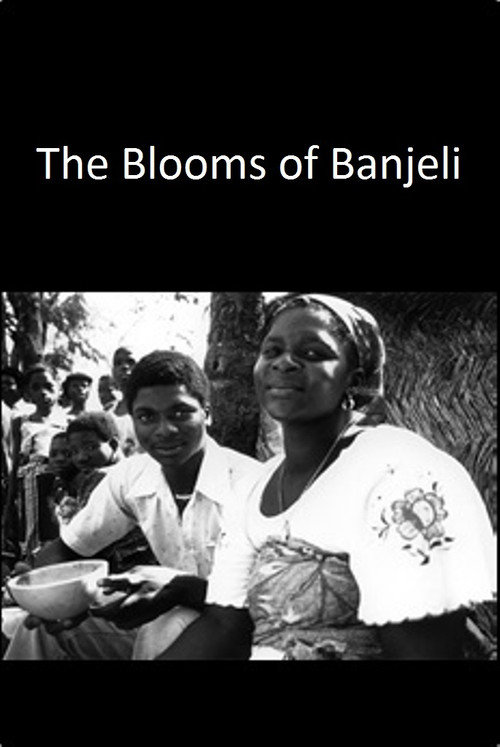
The Blooms of Banjeli 1986
This insightful documentary, *The Blooms of Banjeli* (1986), directed by Carlyn Saltman, transports viewers to Banjeli, Togo, where a fascinating study of iron-smelting technology unfolds.
Director: Carlyn Saltman
Frequently Asked Questions
What is *The Blooms of Banjeli* (1986) about?
*The Blooms of Banjeli* explores the traditional iron-smelting practices in Banjeli, Togo, alongside the rituals and social taboos that govern them. The documentary contrasts modern research with early 20th-century footage, offering a unique window into how gender roles intersect with technology in West African communities.
Who directed *The Blooms of Banjeli*?
*The Blooms of Banjeli* was directed by Carlyn Saltman, whose work focuses on cultural and anthropological themes.
Who stars in *The Blooms of Banjeli*?
Cast details for *The Blooms of Banjeli* are not publicly listed.
Is *The Blooms of Banjeli* (1986) worth watching?
As a concise documentary, *The Blooms of Banjeli* packs a surprising amount of cultural and historical insight into its 29-minute runtime. It's a niche but rewarding watch for those interested in anthropology, traditional crafts, or African studies, offering a glimpse into a world where technology and tradition are inseparable.
How long is *The Blooms of Banjeli*?
*The Blooms of Banjeli* has a runtime of 29 minutes.
About The Blooms of Banjeli (1986) — A Fascinating Look at Iron-Smelting Rituals and Gender Roles
This insightful documentary, *The Blooms of Banjeli* (1986), directed by Carlyn Saltman, transports viewers to Banjeli, Togo, where a fascinating study of iron-smelting technology unfolds. Blending contemporary research with rare 1914 footage, the film captures the intricate rituals and social dynamics surrounding traditional iron production. Saltman's lens reveals the deep connection between gender roles and technological practice in West African society, offering a nuanced look at how these customs shape community life. The documentary's atmospheric storytelling and historical depth make it a compelling watch for anyone interested in cultural anthropology or the intersection of technology and tradition.
The short runtime of just 29 minutes belies its rich content, as *The Blooms of Banjeli* serves as both an educational resource and a cultural artifact. By documenting a fading craft, the film preserves knowledge while inviting viewers to reflect on the evolving roles of men and women in traditional societies. Saltman's approach is both respectful and inquisitive, ensuring that the material feels immersive rather than clinical.