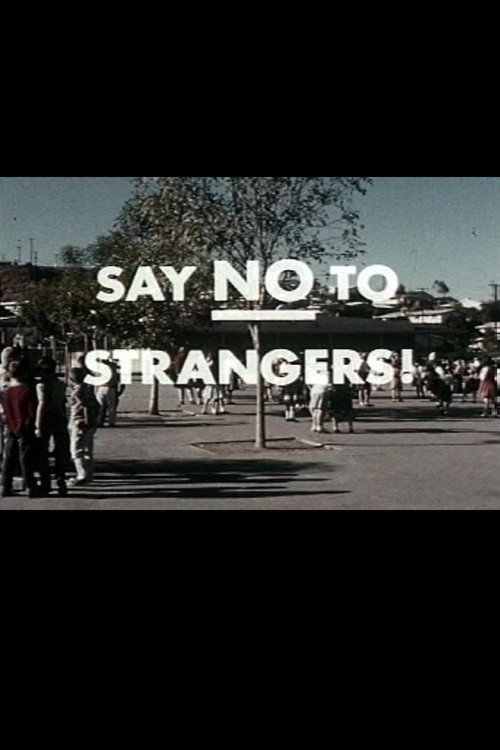
Say No To Strangers! 1957
Step back to the late 1950s with the brief but unforgettable educational short Say No To Strangers! (1957), a ten-minute reel that blends cautionary storytelling with the clean-cut visual style of its era.
Frequently Asked Questions
What is Say No To Strangers! (1957) about?
This short film delivers a straightforward safety lesson, teaching viewers—especially young audiences—how to recognize and avoid potentially dangerous strangers using real-life scenarios. Through concise storytelling and clear direction, it transforms a serious topic into a memorable, practical guide.
Who directed Say No To Strangers!?
Director information is not available. The film credits remain unlisted, leaving a small mystery behind this educational short.
Who stars in Say No To Strangers!?
While the cast isn't officially credited, the film features performances by local actors and community members typical of 1950s safety shorts.
Is Say No To Strangers! (1957) worth watching?
Though unrated and brief, Say No To Strangers! offers a fascinating glimpse into mid-century social guidance films. Its earnest tone and practical message still carry weight today, making it a curious watch for fans of vintage educational cinema.
How long is Say No To Strangers!?
The runtime is 10 minutes.
About Say No To Strangers! (1957) — A 1950s Safety Short Still Worth Your Time
Step back to the late 1950s with the brief but unforgettable educational short Say No To Strangers! (1957), a ten-minute reel that blends cautionary storytelling with the clean-cut visual style of its era. Against the backdrop of suburban living rooms and schoolroom chalkboards, the film delivers a simple yet powerful message about personal safety and stranger danger through concise drama and sharply directed visuals.
Though the director's name has faded from records, the short's tight pacing and earnest performances leave an impression that still resonates today. Crafted as a community resource rather than a commercial feature, Say No To Strangers! (1957) stands as a fascinating time capsule—an artifact of mid-century social guidance films that prioritized practical advice over entertainment, yet somehow manages to linger in memory long after the credits roll.