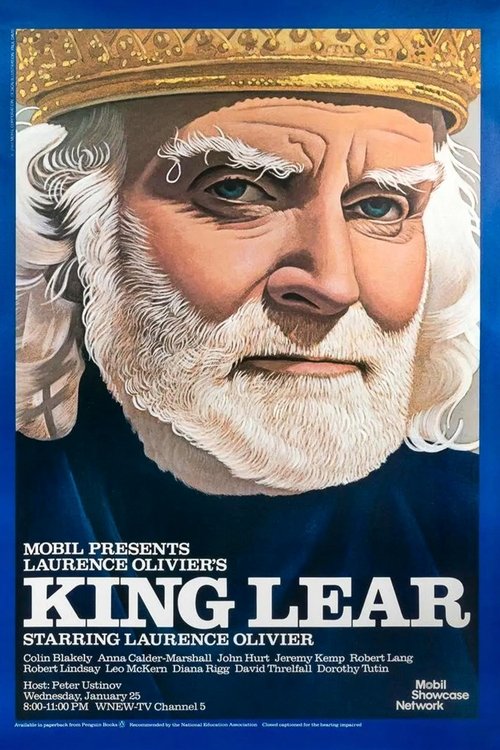
King Lear 1983
Michael Elliott's 1983 television adaptation of Shakespeare's King Lear (1983) strips the tragedy of its regal grandeur to expose raw, unflinching human frailty.
Director: Michael Elliott
Cast



Frequently Asked Questions
What is King Lear (1983) about?
A once-proud king divides his kingdom among two dishonest daughters, spurning the one who loves him truly. His decision triggers a chain of treachery, madness, and vengeance that leaves few untouched. It's a stark exploration of power's corrupting grip and the cost of blind pride.
Who directed King Lear?
Michael Elliott directed this 1983 adaptation, translating Shakespeare's tragedy into a gripping television drama.
Who stars in King Lear?
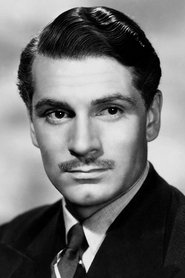
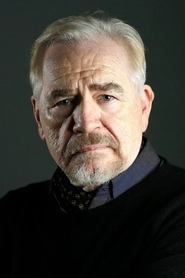
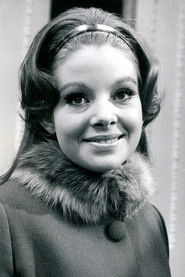
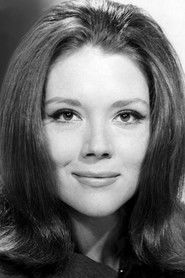
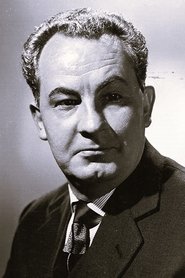
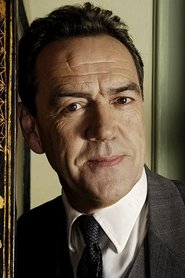
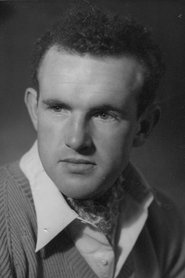
Laurence Olivier, John Hurt, Brian Cox, Dorothy Tutin, Anna Calder-Marshall, and Diana Rigg headline this powerful ensemble cast.
Is King Lear (1983) worth watching?
While the IMDb rating remains unrated, Olivier's towering performance alone makes this a must-see for Shakespeare enthusiasts. Elliott's stark direction and the raw emotional intensity of the cast ensure it's more than a museum piece—it's a living tragedy with enduring relevance.
How long is King Lear?
King Lear (1983) runs for 158 minutes—just over two and a half hours of gripping drama.
About King Lear (1983) — Olivier's Devastating TV Drama of Love and Betrayal
Michael Elliott's 1983 television adaptation of Shakespeare's King Lear (1983) strips the tragedy of its regal grandeur to expose raw, unflinching human frailty. Laurence Olivier commands the screen as the once-mighty monarch whose rash decision to divide his kingdom between two deceitful daughters ignites a spiral of betrayal, madness, and ruin. John Hurt and Brian Cox deliver powerhouse performances as the loyal and treacherous sons-in-law whose loyalties are tested in a world spinning into chaos. Enhanced by Dorothy Tutin's poignant portrayal of Cordelia and Diana Rigg's steely presence as Regan, Elliott's vision transforms the play's sweeping themes of power, loyalty, and cosmic justice into an intimate chamber piece that lingers long after the final, devastating scene.
Captured in stark, high-contrast cinematography, this King Lear (1983) lingers on the emotional cost of pride and the fragility of the human heart. Olivier's Lear is less a king than a man stripped bare, his regal robes swapped for vulnerability as the storm rages both outside and within. The drama unfolds with relentless tension, blending Shakespeare's poetic fury with the immediacy of a live-stage performance, making it a compelling watch for both longtime admirers of the Bard and first-time viewers alike.