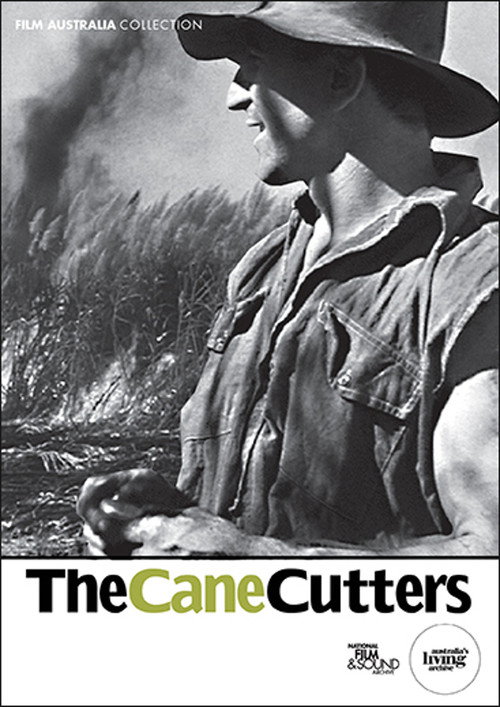
The Cane Cutters 1947
Dive into the hardworking world of 1940s North Queensland with *The Cane Cutters (1947)*, a compelling short film directed by Hugh McInnes.
Director: Hugh McInnes
Frequently Asked Questions
What is *The Cane Cutters (1947)* about?
*The Cane Cutters* offers a gritty, documentary-style glimpse into the lives of North Queensland's sugarcane harvesters in the mid-20th century. The film follows itinerant workers as they take on grueling contracts, cutting and loading cane by hand under the searing tropical sun. It's a snapshot of resilience, teamwork, and the harsh realities of agricultural labor of the era.
Who directed *The Cane Cutters*?
Hugh McInnes directed *The Cane Cutters* (1947), bringing a documentary realism to this short film about rural labor.
Who stars in *The Cane Cutters*?
Cast details for *The Cane Cutters* (1947) are not listed in available sources.
Is *The Cane Cutters (1947)* worth watching?
*The Cane Cutters* may not be a blockbuster, but it's a fascinating historical document for film enthusiasts and those interested in Australia's labor history. As a short film from the 1940s, it offers authenticity and a rare glimpse into bygone working conditions, though its unrated status means expectations should remain measured.
How long is *The Cane Cutters*?
*The Cane Cutters* runs for 11 minutes.
About The Cane Cutters (1947) — Australia's hidden history in a raw, 11-minute classic
Dive into the hardworking world of 1940s North Queensland with *The Cane Cutters (1947)*, a compelling short film directed by Hugh McInnes. This stark black-and-white documentary-style short captures the grueling realities faced by itinerant sugarcane cutters, who toiled under the relentless tropical sun to harvest five million tons of cane by hand. The film paints a vivid picture of their daily grind—starting before dawn, breaking for a nourishing lunch, and enduring the oppressive heat with a brief respite before returning to the fields. Director Hugh McInnes brings an unflinching, almost poetic realism to the subject, showcasing both the labor's intensity and the camaraderie among workers.
Against a backdrop of backbreaking work and sweltering conditions, *The Cane Cutters (1947)* reflects themes of resilience, community, and the human cost of agricultural labor. The film's authentic portrayal of early 20th-century rural life offers a window into an era where manual labor was the backbone of industry, and survival often meant enduring hardship in silence. Though brief at just 11 minutes, its impact lingers, leaving audiences with a deeper appreciation for the hands that shaped Australia's sugar industry.