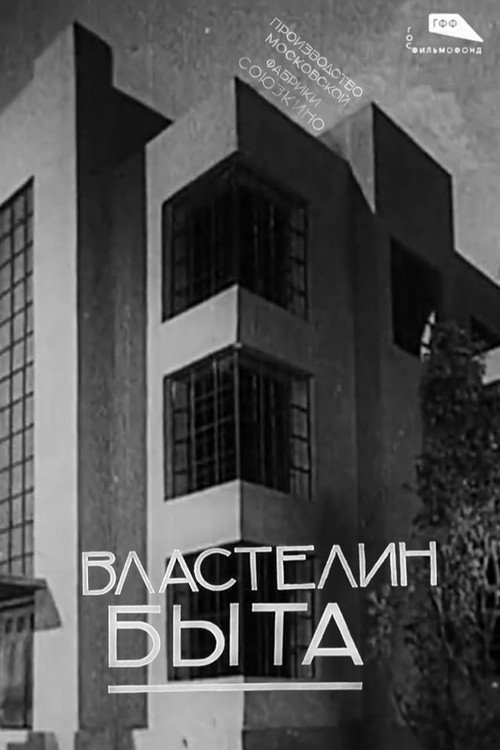
Lord of Life 1932
Directed by Aleksandr Ptushko, the 1932 animated short *Lord of Life (1932)* is a biting satire of social change and comfort.
Director: Aleksandr Ptushko
Cast
Frequently Asked Questions
What is Lord of Life (1932) about?
*Lord of Life* is a satirical animated short where a tenant moves into a new apartment, only to struggle without the familiar annoyance of bedbugs. His attempts to reintroduce chaos backfire when a sudden storm clears the space, leaving him humbled. The film critiques societal shifts through surreal, symbolic storytelling.
Who directed Lord of Life?
Lord of Life was directed by Aleksandr Ptushko, a pioneering figure in early Soviet animation known for blending fantasy with social commentary.
Who stars in Lord of Life?
The film features N. Bravin in the lead role, with additional voices and characters represented through minimalist animation.
Is Lord of Life (1932) worth watching?
While *Lord of Life* is a short and obscure Soviet animated film, its historical significance and sharp satire make it intriguing for animation enthusiasts. As an unrated IMDb title, it's best appreciated for its cultural context rather than modern entertainment standards.
How long is Lord of Life?
Lord of Life has a runtime of 15 minutes.
About Lord of Life (1932) – Early Soviet Animation Classic with a Biting Twist
Directed by Aleksandr Ptushko, the 1932 animated short *Lord of Life (1932)* is a biting satire of social change and comfort. This 15-minute Soviet-era film follows a tenant thrilled to move from a decrepit, bedbug-infested apartment into a pristine new space—only to discover that the absence of insects leaves him restless. The story unfolds with sharp humor as the protagonist attempts to recreate the chaos of his old life, only for a sudden whirlwind to sweep away his bourgeois fantasies, returning him to a state of humble simplicity.
Set against the backdrop of early Soviet industrialization, *Lord of Life* blends surreal allegory with minimalist animation, reflecting the era's tension between progress and tradition. The film's stark visual style and ironic tone create a memorable snapshot of 1930s Soviet animation, where even a tiny creature like a bedbug becomes a symbol of resistance against forced modernization.